
Submit a Noise Report

Looking to file a noise complaint? you’ve come to the right Place.

Our greatest priority is to respond to phone calls and website-submitted complaints in a timely manner. The Noise Management Office reviews all comments or complaints and responds as soon as possible with appropriate and pertinent information. 

WebTrak Flight Tracker

Noise Complaint Web Form

Someone submitting a complaint using their mobile phone

Noise Complaint Mobile App

Additional Ways to File Noise Complaints

You can also submit questions, inquiries and complaints to us via

Please Note

Noise complaints will be accepted until the 7th of the month for the previous month. Complaints received after that date will not be logged. In addition, any complaint that contains vulgar or offensive language will not be logged as a complaint.

For more information on submitting aircraft noise complaints, click here: File Noise Complaint – Fly Quiet OAK


Provide your feedback on OAK InsightFull

Let us know how we did

This location-specific website is Oakland San Francisco Bay Airport (OAK) new InsightFull web portal. InsightFull is an extension of OAK’s main Fly Quiet OAK website and it aims to provide community members with relevant information related to OAK operations, overflights, and aircraft noise to help improve everyone’s understanding of aircraft noise related to OAK.

We want to know how your experience was using OAK InsightFull. Please provide your feedback and let us know of ways you think we can improve.

This survey is specifically looking for feedback regarding OAK’s InsightFull website.

Looking to submit a noise complaint instead?

Aircraft Noise

What Affects the way I hear Aircraft Noise?

Noise is defined as unwanted sound that may result in disturbance and annoyance. Aircraft noise is unwanted sound that is generated from some sort of aircraft operation, whether it be from landing, en-route, departing, or even from flight operations on the ground. Aircraft noise can be anywhere, but many factors ultimately influence how much, how it sounds, and how we hear it.

Noise Generation

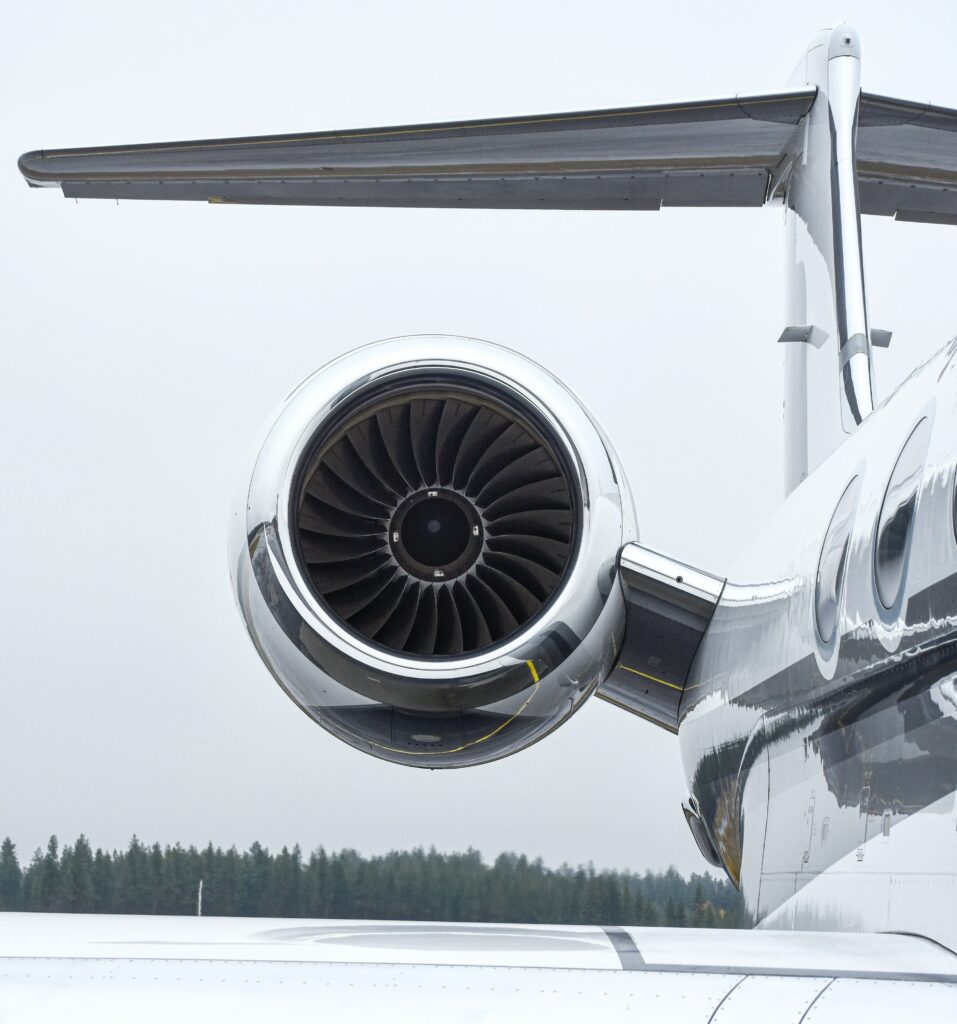
Aircraft noise is created by airflow around the aircraft fuselage and wings, as well as noise from the engines. Different aircraft types and engine combinations produce different noise levels with different frequencies and tones.

In general, the loudest area of the aircraft is right behind the engines, and they are loudest during takeoff when the engines are being worked the hardest. But, aside from different flight operations, aircraft configuration also influences how much noise is produced. Aircraft noise sound levels can be very different depending on a number of factors relating to the aircraft including:

  • Whether the aircraft is an arrival, departure, flying to its destination, performing training, or even acrobatics.
  • The engine type and number of engines used. Propellor engines sound much different than jet engines. Even different models of a similar type of engine often produce different sounds at varying noise levels.
  • The airframe configuration at the time. ‘Dirty’ aircraft configurations like when flaps or landing gear deployed can generate more noise and at different frequencies which may sound more annoying to a listener.

Noise Transmission

Where the aircraft is and the general conditions affect how the noise travels to you. Aircraft noise sound levels can be very different depending on a number of outside factors including:

  • How high aircraft are above the ground
  • How far away the aircraft is laterally from the observer
  • The weather, which can increase or decrease the experience of noise depending on conditions. Weather can also affect where aircraft are in the sky since aircraft take off and land in the wind, affecting which runways are used. Learn more about OAK’s various flight patterns and runway use conditions here.
  • The local terrain and infrastructure, which can dampen or amplify noise depending on what lies between and around you and the aircraft. This phenomenon is more prominent when coming from aircraft operating at low altitudes or on the ground.

Hearing the Noise

While the generation and transmission of noise influence the sound output from the aircraft, it is our local soundscape (or the day-to-day noise that we all experience) that influences how much, or how little aircraft noise we receive.

For example, if you live in a noisy area, potentially within a town or city, or close to a road, the background noise level from those sources is likely to mask the sound of aircraft noise. Conversely, in a quiet area, the masking effect isn’t present and the same aircraft is likely to be more noticeable.

It is important to note that annoyance is a personal experience, what might be annoying to one person may not be annoying to another. Despite this, the airport takes noise monitoring seriously and has an active program to monitor analyse and report on the aircraft and background noise level in the local community.

Want to see more?

View live flight tracks and noise levels using our WebTrak Flight and Noise tracker.

Engaging with our Communities

OAK has a history of working together with the community to reduce noise impacts.

Before the current noise-monitoring system was installed, Oakland San Francisco Bay Airport (OAK) regularly met with aircraft operators, the Federal Aviation Administration (FAA), and community representatives to develop noise abatement procedures. Today, the airport continues to meet with these groups to find ways to balance concerns while maintaining safety as its number one priority.

How to Get Involved

We value input from our communities. We want to encourage you to get involved and provide you with various opportunities to do so:

Submit aircraft noise complaints

Your noise complaints help us to track trends and identify annoying aircraft activity.

Learn more about the aviation industry

Become more informed and educated on OAK and the aviation industry to understand constraints and better advocate for yourself.

Register for Community Advisories

Stay up-to-date on changes occurring at OAK that may potentially affect you.

A meeting where the airport engages with community stakeholders

Participate in community meetings

We operate regular community Noise Forum meetings to discuss developments and mitigation initiatives.

Learn More about Aviation and Aircraft Noise

Want to learn more about aviation?

Explore helpful topics below to expand your knowledge and better understand how the industry functions through Oakland San Francisco Bay Airport (OAK)., the San Francisco Bay Area, and beyond!

What is airspace?

To most people, the air above is just open space. But did you know that the air above you is actually defined and divided into different airspace regions that help guide safe aircraft operations?

What is noise?

Noise is a more complicated subject than you might think. There are many different factors that play into our daily soundscape and influence which sounds people might find annoying and ultimately classify as noise.

What affects the way I hear aircraft noise?

It is generally known that aircraft are loud machines, and sometimes this noise impacts our daily lives more than we would like. Have you ever wondered if there was more to it than that?

Aircraft Noise 101

This crash course presentation gives you an overview of what noise is and how it’s measured, important aircraft noise regulations, and an overview of OAK’s noise management and its history.

How we calculate overflights

Our Dashboard provides Overflights data over specific areas to show data tailored to your location. Interested to know how we determine which flights flew over your area? Learn how our localized tools work to calculate data personalized to you.

A pilot's control screen

The Skybrary information database

If you want to dig into a wide range of aviation topics you can explore the Skybrary. Initially set up by EUROCONTROL, it provides a broad range of information across various industry topics.

A flight information board

Understanding aviation acronyms

The aviation industry loves acronyms. If you have an acronym that you are struggling to understand then EUROCONTROL’s acronym database may be a good resource for you.