How OAK manages noise

we strive to provide effective noise management

The airport is acknowledged as a noisy place, but steps can be taken to manage and minimize aircraft noise as much as possible.

The International Civil Aviation Organisation (ICAO) has endorsed the EU Directive 2002/30/EC concept of a ”balanced approach” to aircraft noise management. This approach incorporates four key elements to the mitigation of noise levels at airports:
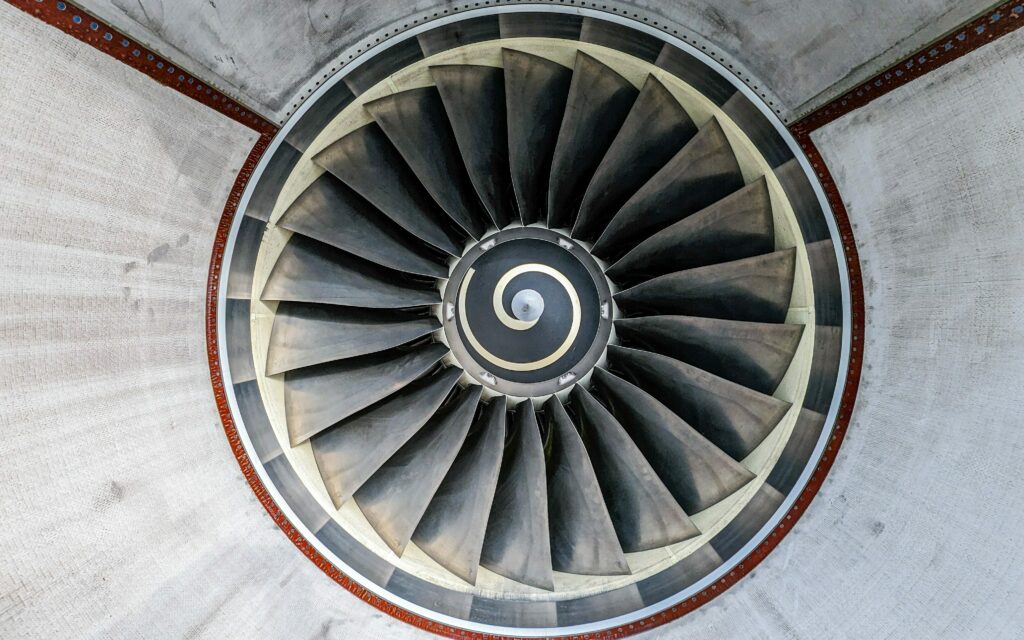
Reducing noise at the source

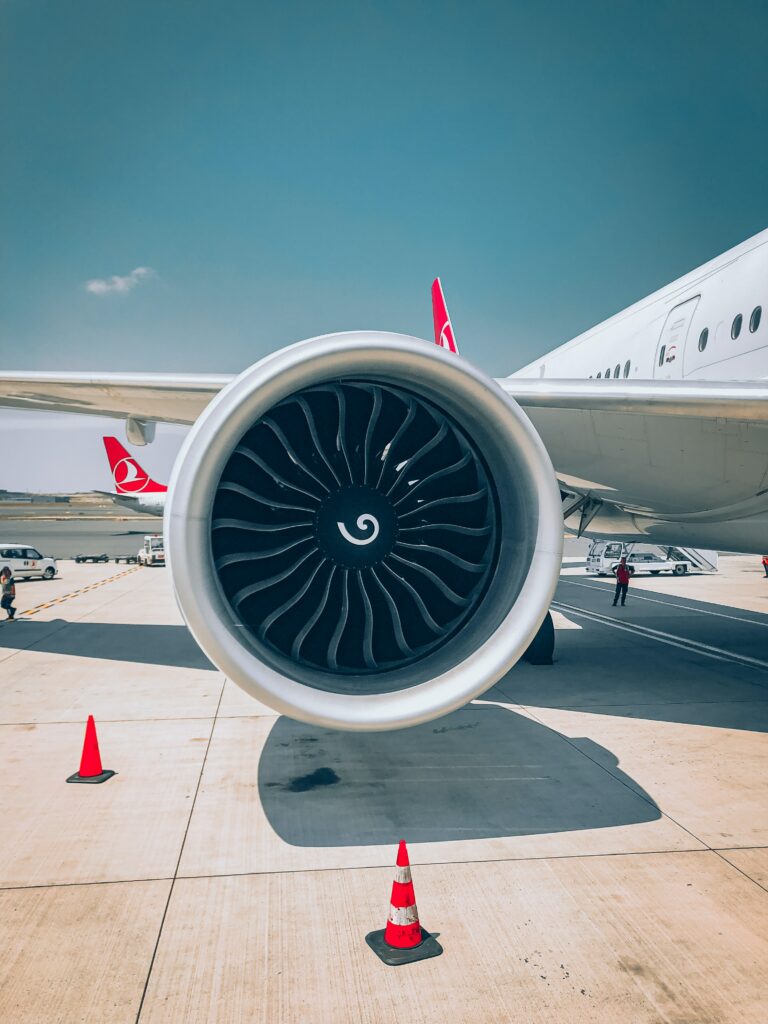
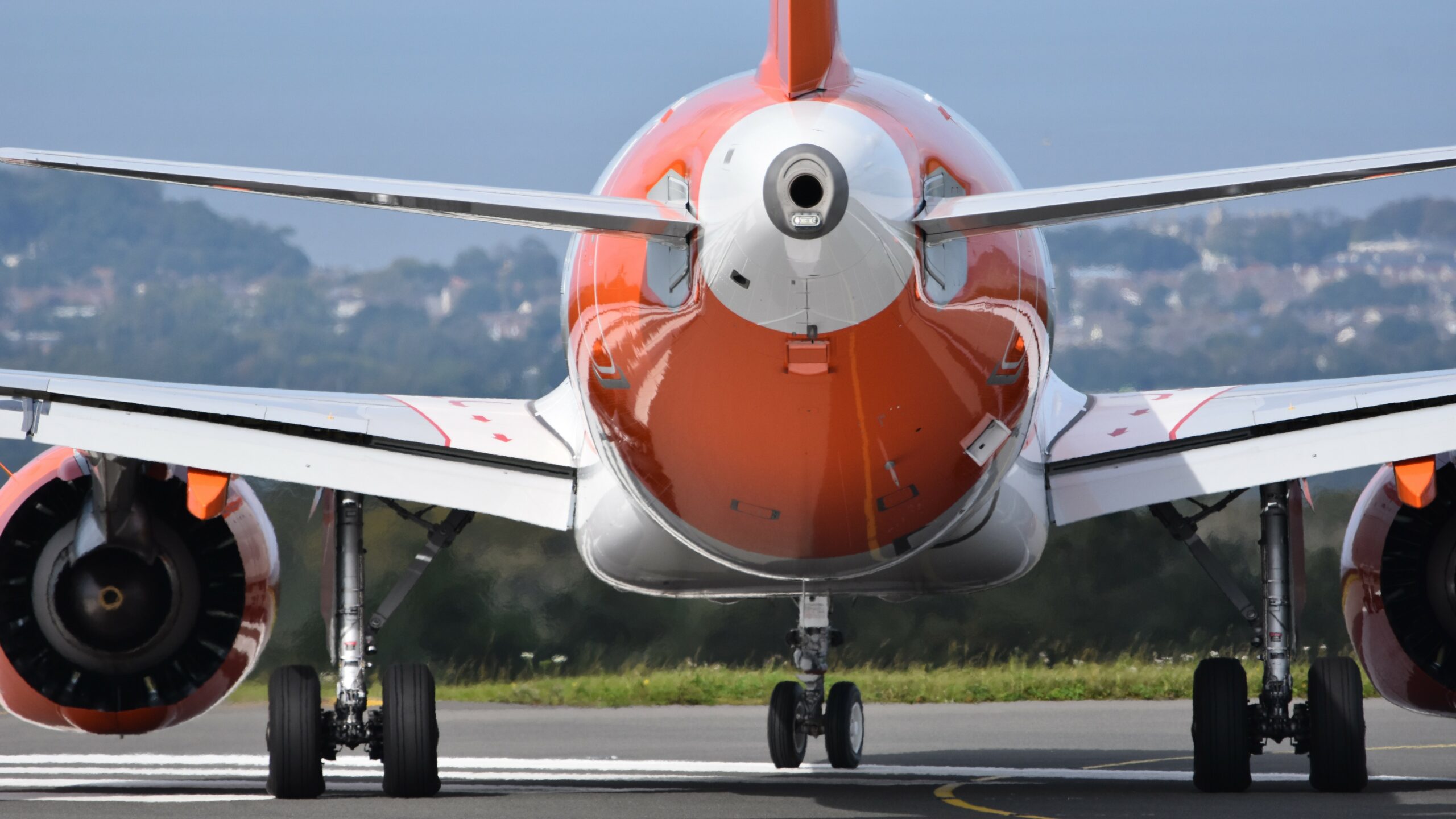
Reduce the noise produced by the aircraft itself through continual design and engineering improvements. Over the past 30 years efforts in this category have led to dramatic reductions in aircraft noise where newer aircraft are much quieter than their predecessors.

Land-use planning and management

Support local and national Governments to manage land use around airports and under flight paths to limit the number of new residential properties built in areas exposed to aircraft noise.
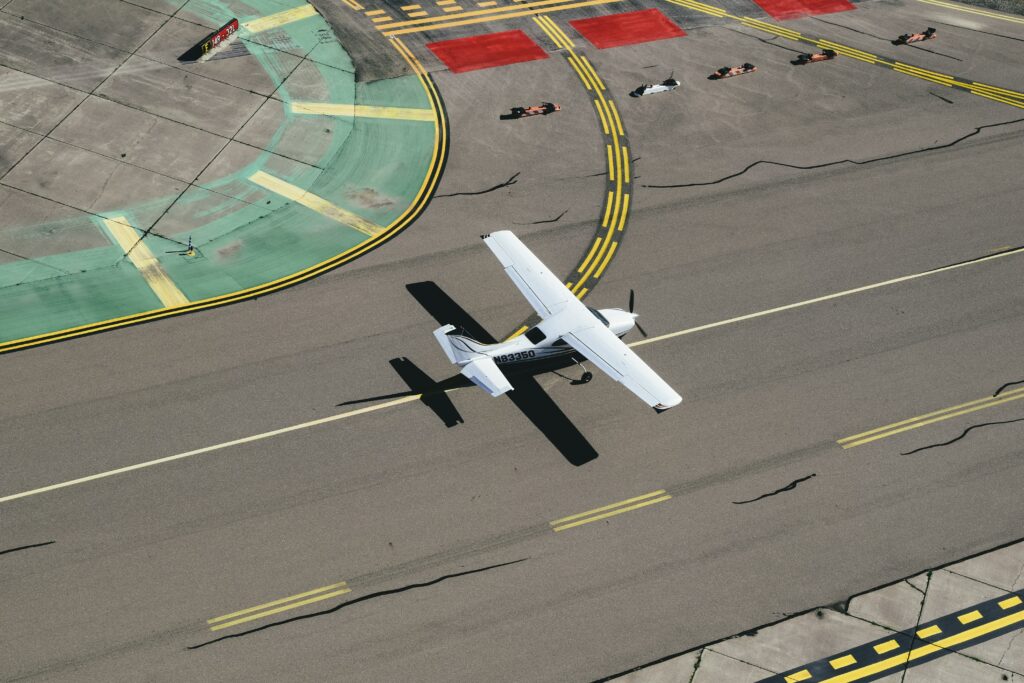
Noise abatement procedures

Encourage aircraft operators to fly optimal low-noise configurations and, where appropriate, monitor compliance against these procedures as part of our regular reports and engage directly with them to discuss improving performance as required.
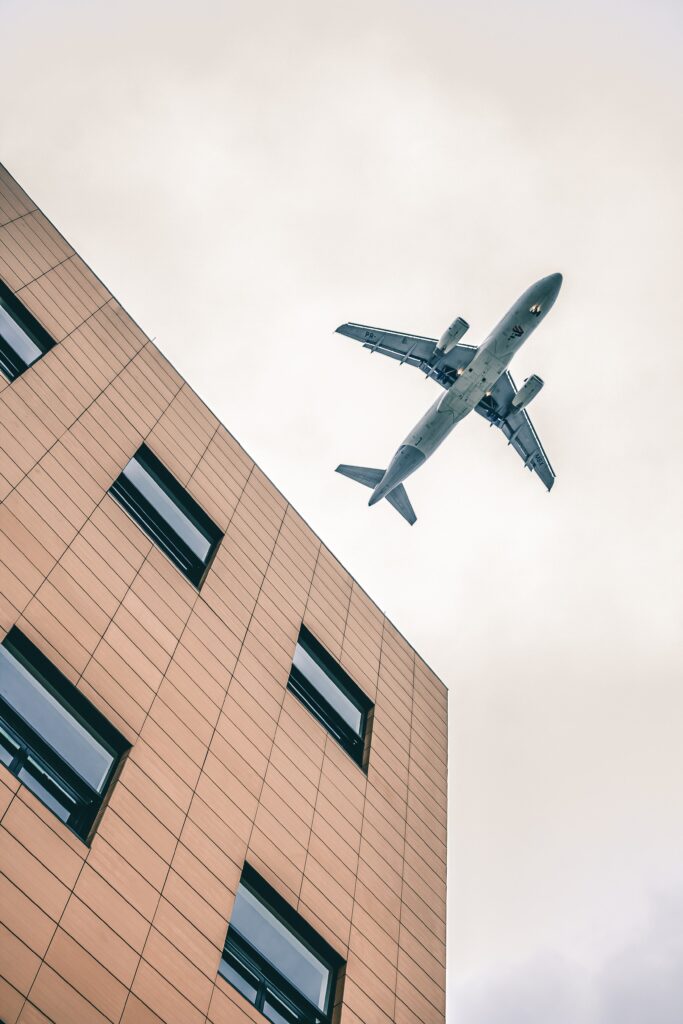
Operating restrictions when possible

Limiting noisier operations and providing quieter alternatives whenever possible. This is the most difficult part to implement because it has to align and operate within Governmental restrictions.

Submit a Noise Report

Looking to file a noise complaint? you’ve come to the right Place.

Our greatest priority is to respond to phone calls and website-submitted complaints in a timely manner. The Noise Management Office reviews all comments or complaints and responds as soon as possible with appropriate and pertinent information. 

WebTrak Flight Tracker

Noise Complaint Web Form

Someone submitting a complaint using their mobile phone

Noise Complaint Mobile App

Additional Ways to File Noise Complaints

You can also submit questions, inquiries and complaints to us via

Please Note

Noise complaints will be accepted until the 7th of the month for the previous month. Complaints received after that date will not be logged. In addition, any complaint that contains vulgar or offensive language will not be logged as a complaint.

For more information on submitting aircraft noise complaints, click here: File Noise Complaint – Fly Quiet OAK

Noise Monitoring

we Track noise Levels in the Community

Environmental monitoring and management are crucial for responsible airport operations. It allows the airport to understand its impact on the local environment and community and what can be done to manage and mitigate those potential impacts.

Oakland San Francisco Bay Airport (OAK) uses ANOMS, which stands for Airport Noise and Operations Monitoring System. It is a complex solution featuring both hardware in the form of remote sensors, and radar data collectors as well as advanced analytical tools to assist OAK in our work to manage aircraft noise in surrounding communities.

The Noise Monitoring System

The Airport Noise Monitoring and Management System (ANOMS) gathers data from remote noise monitors deployed in the local community and in proximity to runways and flight paths. These run 24 hours a day 7 days a week, continuously collecting and sending noise data through to ANOMS, creating ‘noise events’.

A ‘noise event’ is created when the system detects noise exceeding the background or local noise level for an appreciable amount of time. This could be due to any number of factors, be it local birds, cars, or an aircraft. By continuously monitoring the noise level and integrating data from Air Traffic Control (ATC), our systems can determine if the noise event was generated by an aircraft or another source.

The process is complex and while it can identify noise events due to aircraft, it can also identify events that were not generated by aircraft. These are known as community events and could be generated by birds, wind, vehicles on a road, or even emergency vehicle sirens. In effect, any noise that we could hear on a day-to-day basis that isn’t generated by an aircraft is considered community noise.

By considering the aircraft and community noise, a detailed picture of the local soundscape can be built, allowing the airport to understand the potential impact of operations on the local community.

Want to see more?

View live flight tracks and noise levels using our WebTrak Flight and Noise tracker.

Data Reporting

Data at Your Fingertips

Information is published in the form of regular reports produced and published on our main website. These provide deep and broad analytics covering the airport operation, statistics from the noise monitoring programs, compliance against noise mitigation plans, and progress against key noise management programs.

Flight Tracking

Using WebTrak you can track the flight activity into and out of Oakland Airport (OAK), along with information about each aircraft.

Noise Complaint Summary

Provides comprehensive data so the community can analyze historical noise complaint data by date and ZIP code.

OAK Noise and Operational Summary

Allows the community to analyze noise data collected from the noise monitor terminals and OAK operations data collected from the Airport Noise and Operations Monitoring System. 

Engaging with our Communities

OAK has a history of working together with the community to reduce noise impacts.

Before the current noise-monitoring system was installed, Oakland San Francisco Bay Airport (OAK) regularly met with aircraft operators, the Federal Aviation Administration (FAA), and community representatives to develop noise abatement procedures. Today, the airport continues to meet with these groups to find ways to balance concerns while maintaining safety as its number one priority.

How to Get Involved

We value input from our communities. We want to encourage you to get involved and provide you with various opportunities to do so:

Submit aircraft noise complaints

Your noise complaints help us to track trends and identify annoying aircraft activity.

Learn more about the aviation industry

Become more informed and educated on OAK and the aviation industry to understand constraints and better advocate for yourself.

Register for Community Advisories

Stay up-to-date on changes occurring at OAK that may potentially affect you.

A meeting where the airport engages with community stakeholders

Participate in community meetings

We operate regular community Noise Forum meetings to discuss developments and mitigation initiatives.

OAK’s Operational Flight Patterns

Oakland San Francisco Bay Airport (OAK) Flight paths are essential to the Airport’s safe and efficient operations.

Every major commercial airport has typical flight paths for aircraft arriving at and departing from their runways. These maintain the airspace’s high level of safety and allow Air Traffic Control (ATC) to better sequence aircraft for efficient flow. Safety is the number one priority of aviation, but these routes can also be designed to minimize environmental impact in fuel burn, emissions, and noise.

Operational Flow

Aircraft use runways to take off and land. Arrivals and departures travel in the same direction when utilizing an airport’s runways; this is known as flow. The direction of travel largely depends on wind direction, as it is safer for aircraft to land and take off into the wind. Wind provides extra lift which allows the plane to take off safer and faster. Sometimes the wind direction will change, and Air Traffic Control (ATC) will have to make the decision to alter the runway in use and change the flow in and out of the airport.

There are 3 different flight patterns designed to accommodate the typical flows at OAK: the Westerly Operations, Southeast Operations, and Nighttime Operations. The graphic below will automatically play through, describing and displaying each operational flow on a map for OAK and SFO arrivals and departures.

Want to see more?

View live flight tracks and noise levels using our WebTrak Flight and Noise tracker.

How we calculate an overflight

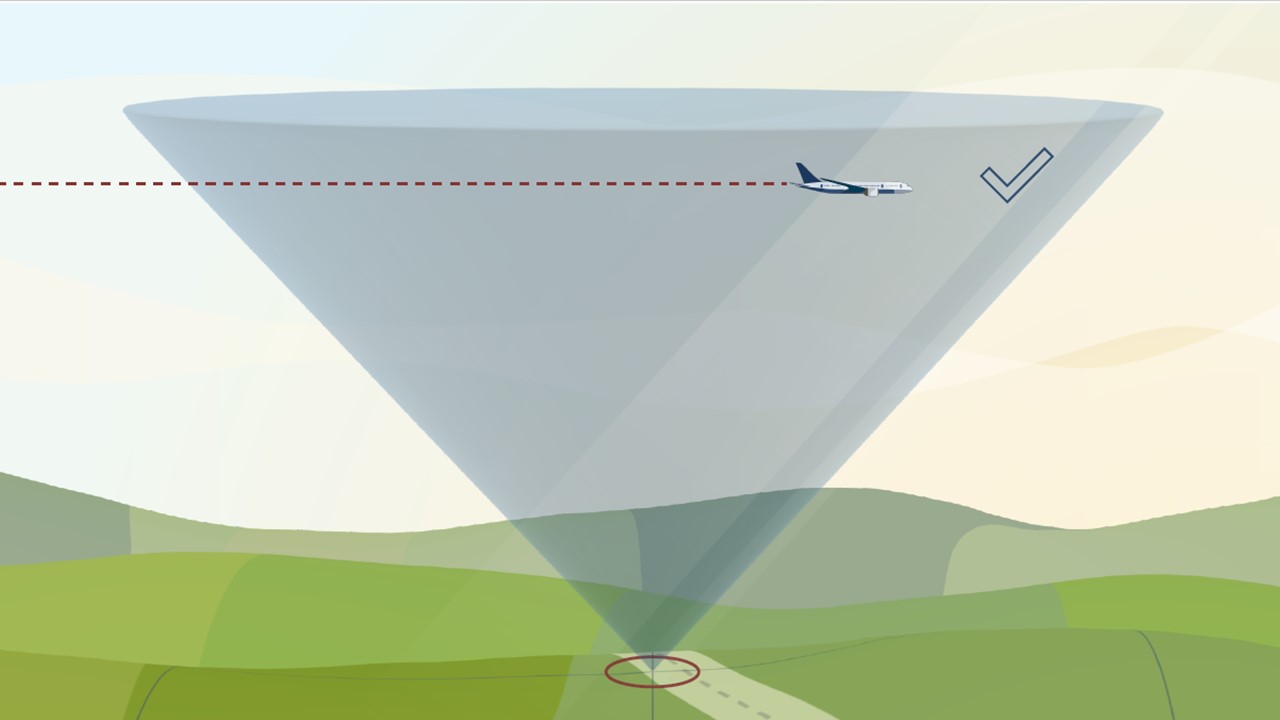
An aircraft flies within the analysis cone and is successfully counted

The following video explains how our system calculates location-specific data used on this website:

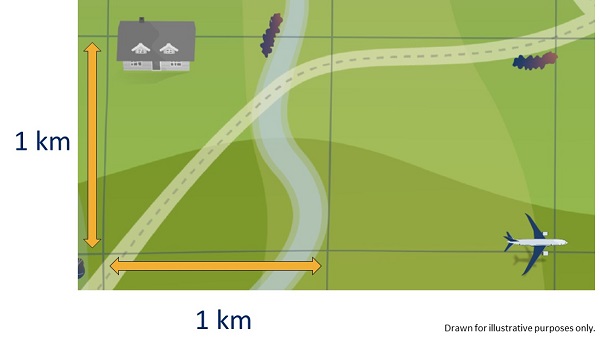
1km x 1km grid over the local area to show how we divide up our analysis

The Grid

To be able to analyze the number of flights over an area around the airport, we have created a grid of identically sized, 1 kilometre by 1 kilometre squares. In total, the grid extends for 95 kilometres around the runways, ranging from certain identified towns and landmarks.

How we count the number of overflights

We start by drawing a cone at the corner of each grid. Using the location that you provided when you entered the site, we determine the nearest cone to you.

We use a cone because research undertaken by the United Kingdom Civil Aviation Authority identified that a cone best aligns with how we determine if an aircraft has overflown a location or not.

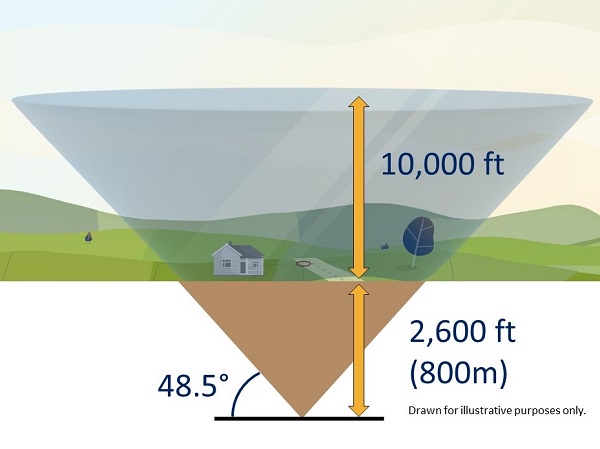
The 48.5-degree angle of the cone was selected as it incorporates an evaluation of noise, in that if one aircraft flew directly above the observer, followed by a second aircraft off to the side along the 48.5 degree line, the second aircraft would be 3 decibels quieter than the first.

Flights that pass through each cone are recorded and that data is presented on this website.

To avoid underestimating the flights in each area and to fully cover all locations in our grid, we lower the cone 2,600 feet (800 metres) into the ground. The cone extends up to 10,000 feet (3 kilometres) above local ground level and at the very top, the cone is over 6 kilometres wide.

A cone extending up from the 800m underground to 10,000ft to show the areas which we calculate overflights

Where does the data come from?

All data used in our system comes directly from our Aircraft Noise and Operations Monitoring System (ANOMS), which receives flight data from air traffic control radar.

Arrivals and Departures

commercial airports have Established flight paths for aircraft arriving and departing.

Arrival and departure paths are like three-dimensional roadways that aircraft follow to and from the airport. Routes are assigned to pilots based on the flight’s origin/destination, as well as the available in-use runways at the arrival airport. Most commercial passenger aircraft will follow these routes, however, smaller turboprops and propeller planes may be directed outside of them to clear the airspace for larger and faster aircraft.

Arrivals

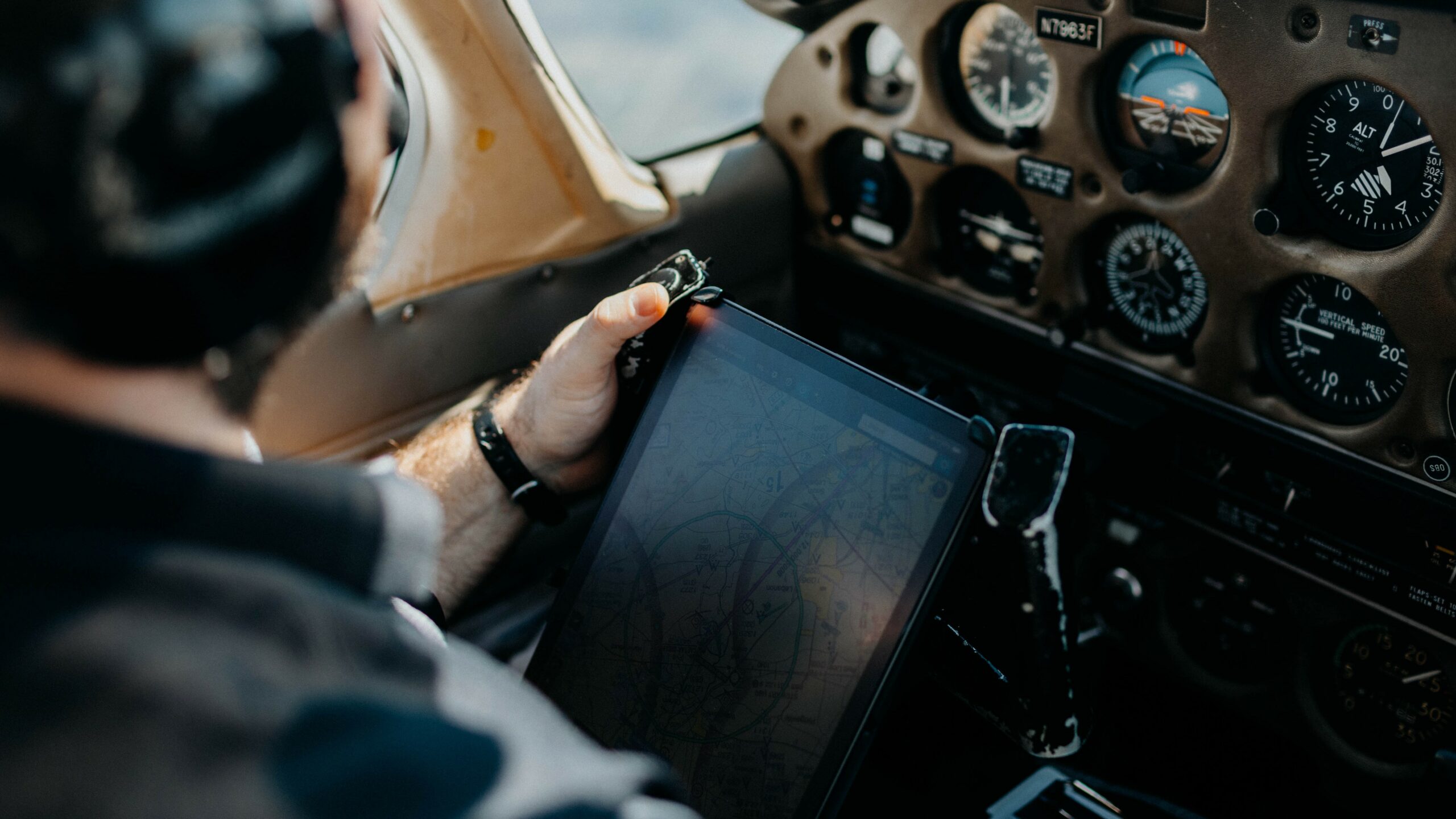
Upon nearing the airport, arrivals make initial contact with Air Traffic Control (ATC) who provide the pilots with a direction (or vector) and altitude in which to fly. This is to ensure safe separation from other aircraft that may also be arriving and departing. Often ATC provides instructions to pilots to join an established approach procedure to act as a ‘roadmap’ for how to safely approach and land on the runway

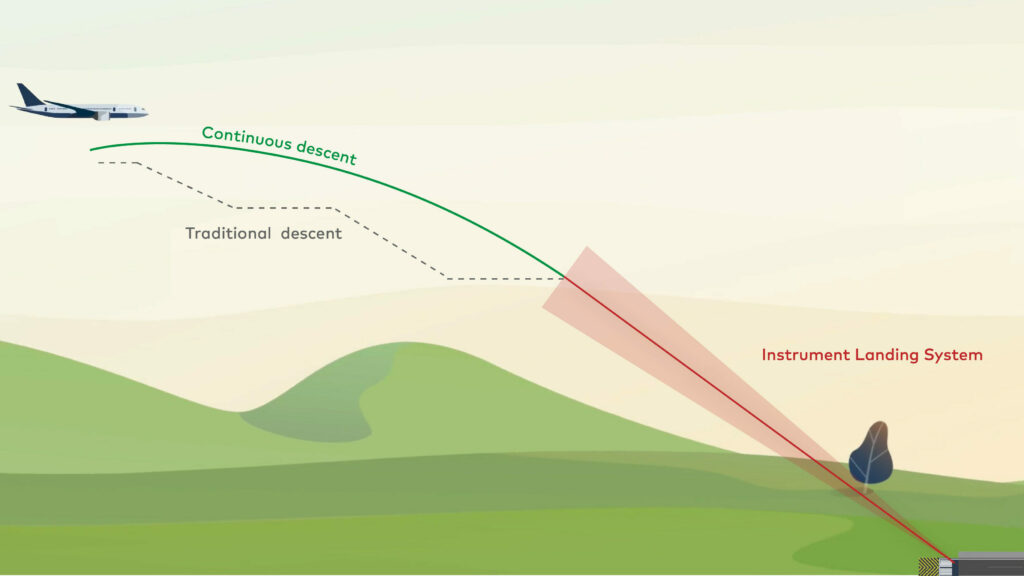
A practice called Continuous Descent Operation (CDO) is often used in order to reduce any potential noise impact on the ground and minimize fuel burn and resulting emissions. The operation requires both ATC and the pilots to work together to glide the aircraft to landing with minimal throttle use. It requires skill and detailed planning, so in periods of high traffic, it may not be possible to fly the optimum CDO.

Departures

Departures taxi to the runway where they await clearance from Air Traffic Control (ATC). The aircraft is fully laden with fuel, passengers, luggage, and cargo, and a high-power setting is required to accelerate the aircraft along the runway to achieve flight. Aircraft depart in a straight line from the runway until they have reached a sufficient altitude before turning onto a set departure route to their destination. This allows the aircraft to climb quickly and maintain safe separation from other aircraft as it departs.

Departure routes provide point-to-point navigation for pilots to follow on their way out of an airport’s busy airspace.

An aircraft takes a shorter route to the runway

Want to see more?

View live flight tracks and noise levels using our WebTrak Flight and Noise tracker.

Training Flights

Training flights can and do occur at major airports like Oakland San Francisco Bay Airport (OAK).

Pilot training is not just for new pilots. To maintain high standards even well-experienced pilots require training on a regular basis to ensure skills are honed.

Circuit Training

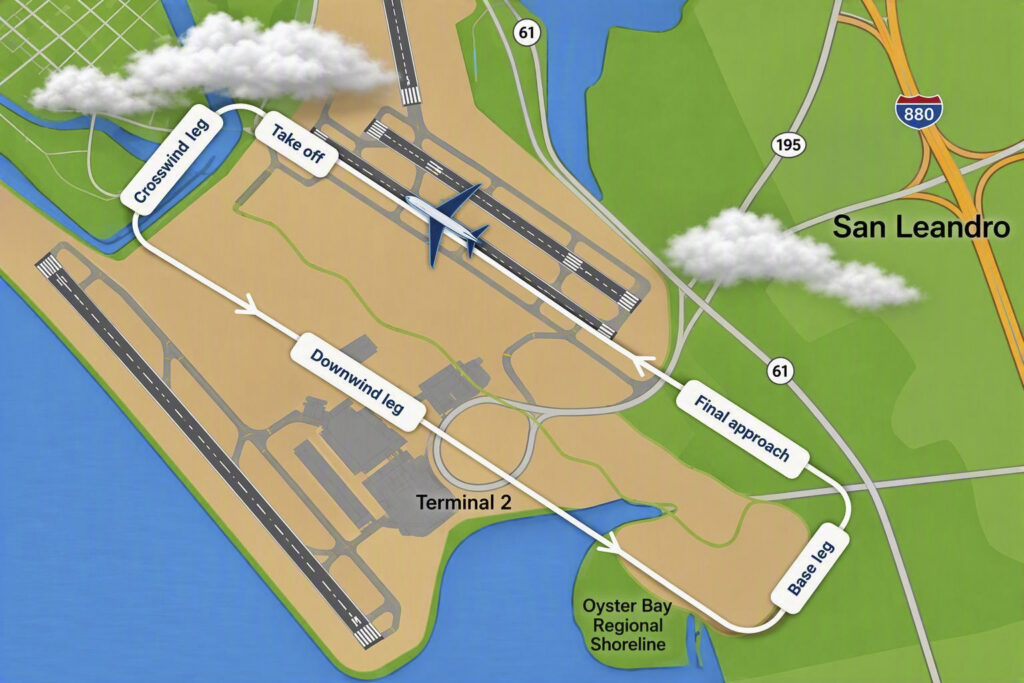
One of the most common training elements is practicing takeoff and landing. An aircraft may complete these procedures several times in a row by flying in a circuit or lap around the airport between each landing and take-off. Circuit flying procedures often need to be practiced in all conditions – day and night, and in different weather conditions to allow pilots to build experience and familiarity with these procedures.

One form of circuit training is often referred to as ‘Touch and Go’. In a Touch and Go, the aircraft does not come to a complete stop after landing and instead adds throttle to take off once again. These circuits are repetitive so the aircraft can be overflying the same location regularly – sometimes over areas they may not normally fly. They also typically operate at lower altitudes than normal and due to repeated practice of take-offs and landings, which can also be more annoying to residents than typical arrivals or departures. To ensure disturbances are kept to a minimum, the airport requests that Touch and Go operations use Runway 28L to avoid noise-sensitive areas.

Want to see more?

View live flight tracks and noise levels using our WebTrak Flight and Noise tracker.