
Here to report aircraft noise?

Have a question or comment?
Here to report aircraft noise?
Have a question or comment?



Want to be notified of weather changes and noise abtatement initiatives?



Have a question about aircraft noise or OAK noise abatement?
You’re not alone!

Have a question about OAK InsightFull?
Investigate some of our commonly asked questions below that are related to Oakland San Francisco Bay Airport (OAK) InsightFull.
Have a question about OAK or aircraft noise?
InsightFull is a web experience that provides location-based information to communities impacted by aircraft noise.
InsightFull is unique in its focus to provide location-specific data for the communities surrounding OAK. Its user-friendly design and easy-to-understand dashboards set it apart from more complex or technical offerings.
InsightFull offers customized content depending on a user’s location, which is provided as they enter the site. Users might see different data and descriptive content tailored to their expected aircraft noise experience for their location.
InsightFull provides various types of data, such as noise levels, flight operations, aircraft overflights, and community noise complaints. The data is updated monthly so users have access to the latest complete month of information.
Click the red box in the upper right corner on desktop (center on mobile) that says “Your Location,” and the pop-up will reappear.
If your address doesn’t appear in the InsightFull portal, it might be out of range. Check if you entered it correctly, and if it’s still out of range, consider using the Default Location for general information, or Drop Your Pin for information in your area.
Use the Default Location option upon entering the site to see general content that is not location-specific. The location-specific content that describes your location’s aircraft noise impact and overflight data will not be visible to you. To see location-based content without providing your exact address, you can use the Drop Your Pin option to select your approximate area. However, be aware that the overflights data will be based on an approximate location and may be less accurate than your exact address.
InsightFull uses advanced security protocols to ensure all data shared and processed through the platform is secure. This includes data encryption and compliance with relevant privacy regulations.
Currently, InsightFull does not support alerts or notifications. However, it provides real-time data and allows users to bookmark specific views for quick access to relevant information.
InsightFull is designed to be fully accessible when using desktop devices only. We will be expanding InsightFull’s accessibility to tablets and smartphones soon.
If you have additional questions about the InsightFull portal or airport operations, contact OAK’s Noise Office for further assistance. They can provide more detailed information or direct you to the appropriate resources for your inquiries. If you want to submit a noise complaint, click here to submit a complaint to OAK.

What is Noise?
Everyone encounters sound every day. It is only when that sound causes an adverse effect on a listener, such as annoyance, that sound becomes noise. And noise is not always just about how loud the sound is, there is a complex set of factors that drive annoyance both based upon the noise itself and what that noise means to us. You can find out more in the following video:
Whilst many factors influence the sound output from the aircraft, it is our local soundscape (or the day-to-day noise that we all experience) that influences how much, or how little aircraft noise we receive.
For example, if you live in a noisy area, potentially within a town or city, or close to a road, the background noise level from those sources is likely to mask the sound of aircraft noise. Conversely, in a quiet area, the masking effect isn’t present and the same aircraft is likely to be more noticeable.
It is important to note that annoyance is a personal experience, what might be annoying to one person may not be annoying to another. Despite this, the airport takes noise monitoring seriously and has an active program to monitor analyze and report on the aircraft and background noise level in the local community.

Want to see more?
Explore the many avenues that the airport provides the data it gathers back to the community. From noise, operations, and complaints statistics to live flights and noise readings, there is so much data to explore.
What is airspace?
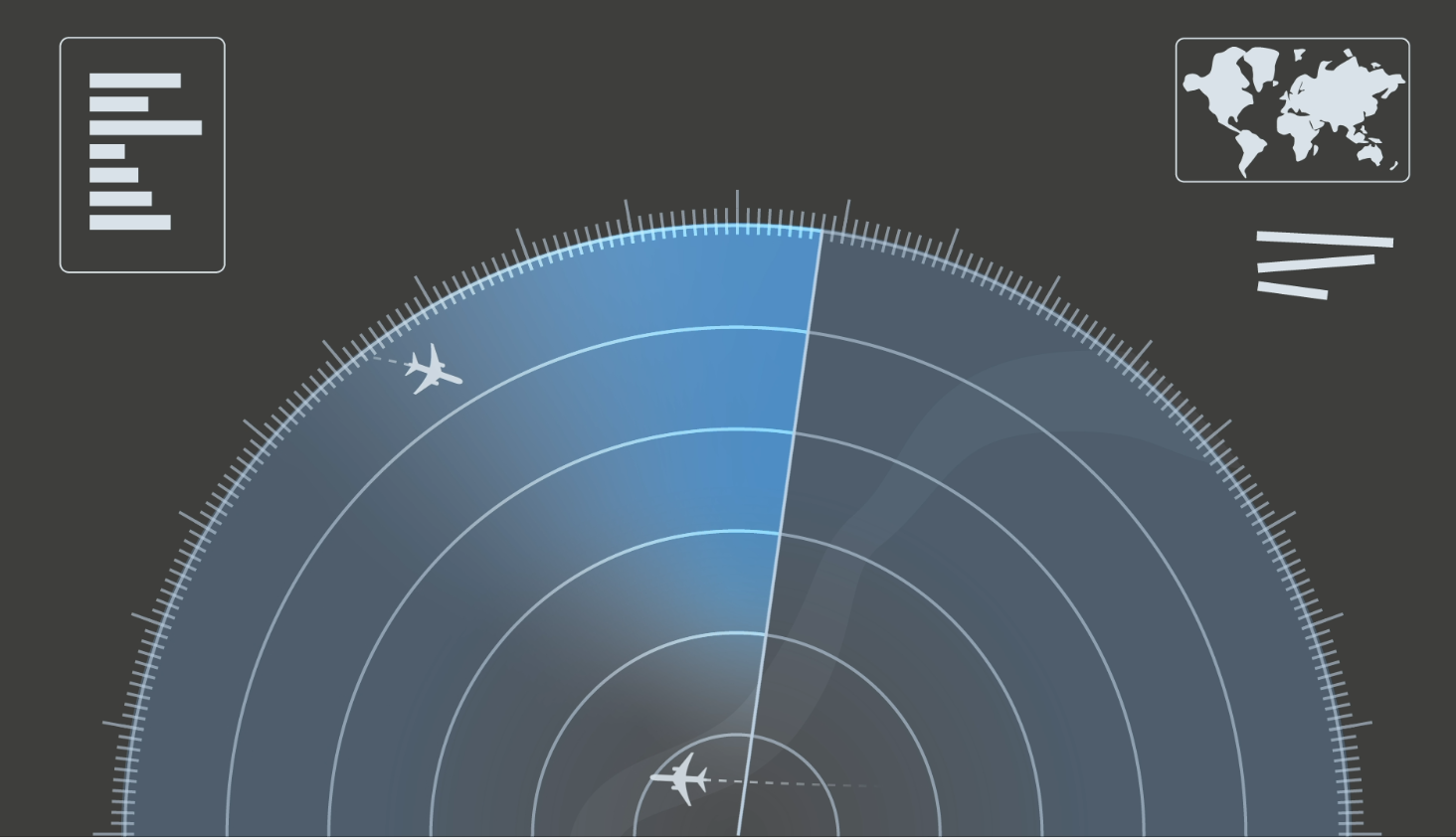
At its simplest, airspace is a three-dimensional piece of the sky in which aircraft fly. In order to safely manage aircraft that operate in that airspace, Air Traffic Control (ATC) divides up that airspace into several sectors. Some of these, like those around major airports, require more intense management when compared to others that might be more rural and less frequently used. Airspace can be divided down these lines into controlled and uncontrolled airspace.

Controlled Airspace
Controlled airspace is in areas where many aircraft are transiting such as around a major airport or may also be over metropolitan areas and cities and suburbs. As well as covering the major routes that are regularly used between countries and airports.
Controlled airspace is used primarily for safety reasons. Air Traffic Control (ATC) will maintain contact with all aircraft in this airspace and provide directions to either allow those aircraft to safely pass through to their destination, approach, and land, or take off and depart from an airport.
The instructions provided by ATC include a compass bearing (or vector) and an altitude with regular updates provided to pilots to safely separate them from other aircraft.
Uncontrolled Airspace
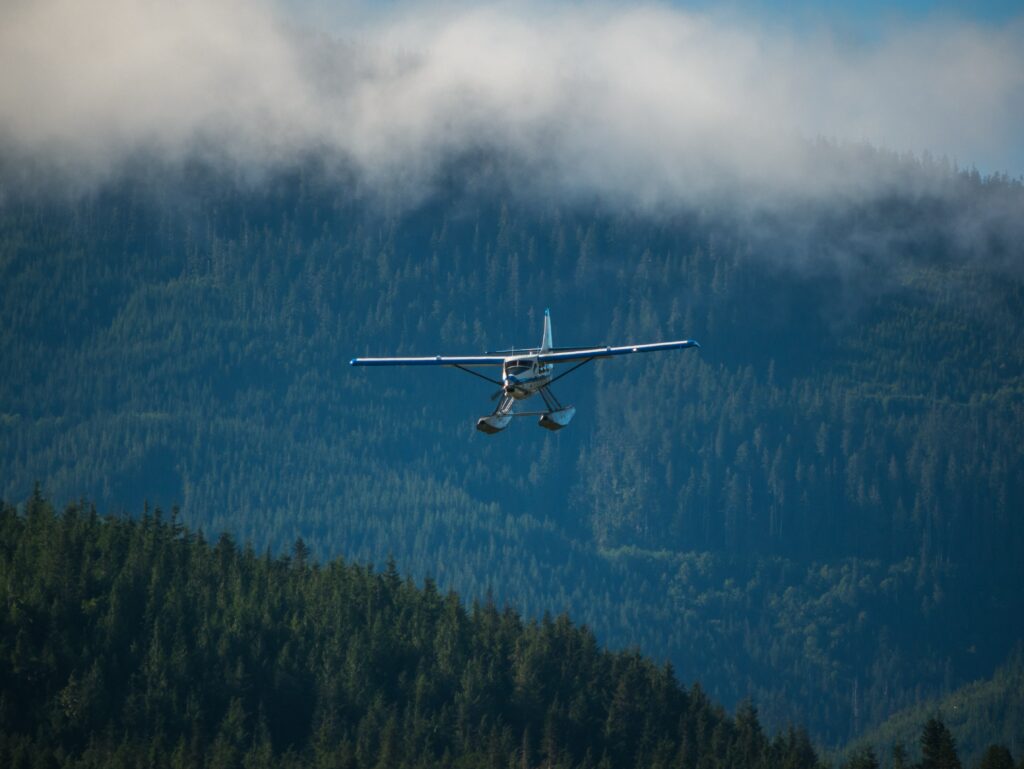
Outside of controlled airspace is uncontrolled airspace, these areas typically cover rural or unpopulated areas away from major airports, metropolitan areas or major air routes.
As airspace is a three-dimensional space in our skies, you can have uncontrolled airspace underneath controlled airspace. A good example is controlled airspace for major air routes which maybe be located from 15,000ft upwards. Whilst below that altitude, uncontrolled airspace may exist.
When in uncontrolled airspace, the pilot is responsible for maintaining safe separation from other aircraft.
No-Fly and Military Areas
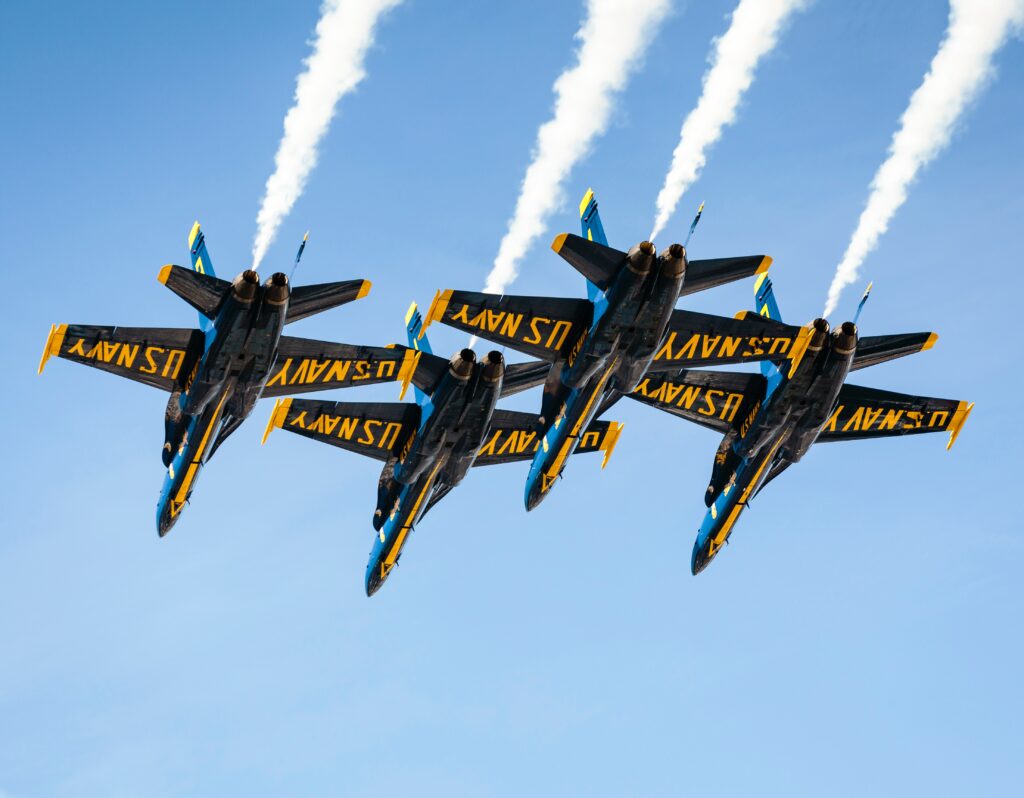
Other forms of airspace include no-fly and military areas. These are typically areas in which flights may not operate, or can operate at certain times for certain reasons. For example:
Drones
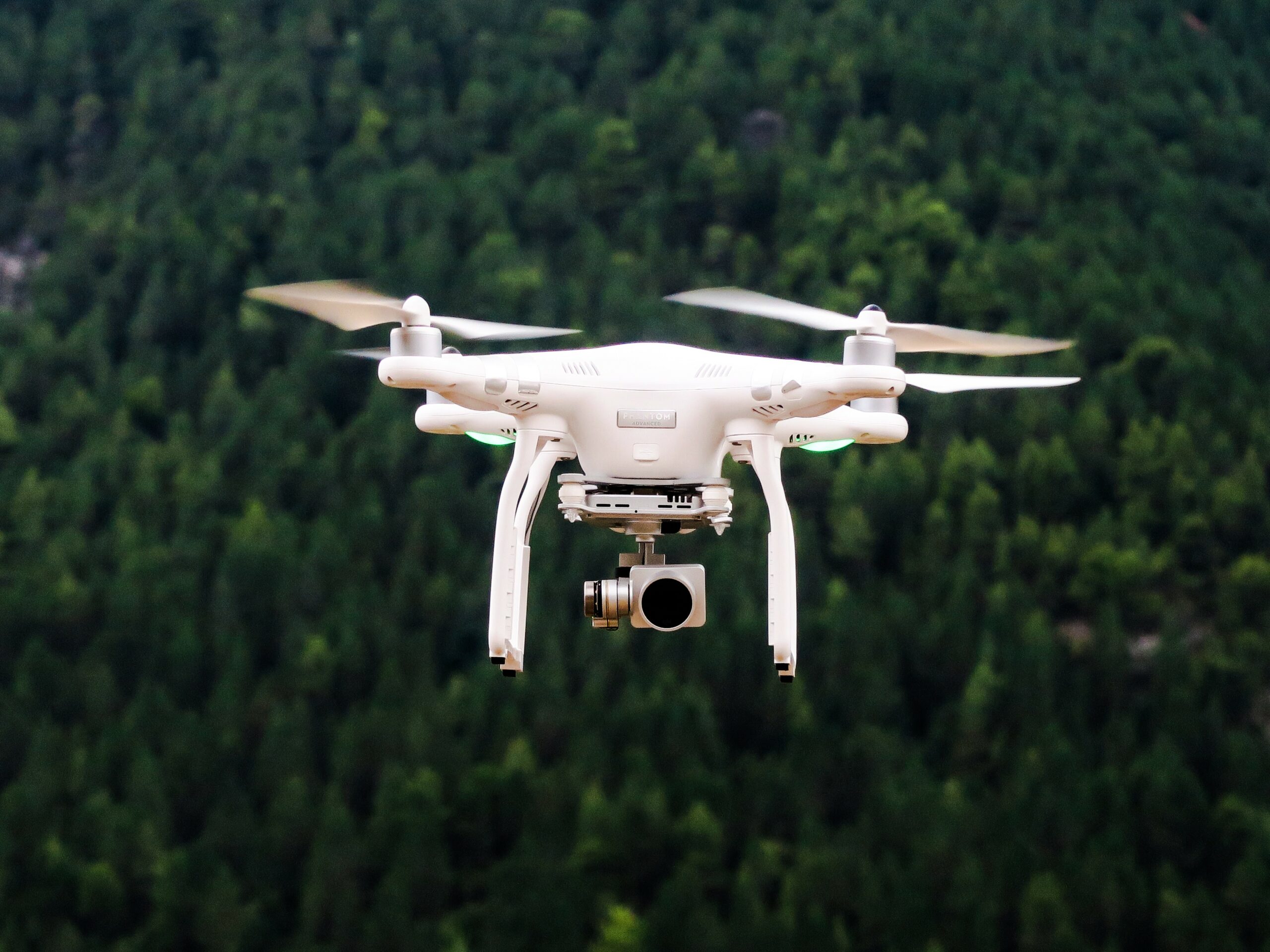
Drones are a new challenge and present a large risk to aircraft. Drones are small and hard to see and if one was to collide with an aircraft it could result in a severe accident. As a result, drone operators should take extreme care when flying their drones and avoid operating near airports in their entirety.