Unusual Operations

notice anything unusual occurring at or around the airport?

From time to time you may notice unusual or anomalous operations occurring at or around Oakland San Francisco Bay Airport (OAK) – either on the ground or in the air. Most of the time, deviations from normal air traffic procedures are performed for safety reasons, but sometimes there may be something else going on.

Changes to the Operational Flow due to Weather

An airport’s operational flow pattern determines which set of arrival and departure procedures are available for use at any given time.

When the weather and wind direction in the Bay Area change, the airspace flow at OAK might change along with it. Though the wind does not change often at OAK, about 10% of the time it blows from the Southeast and forces OAK to follow a new airspace flow called the Southeast Plan.
Go-Arounds or Missed Approaches

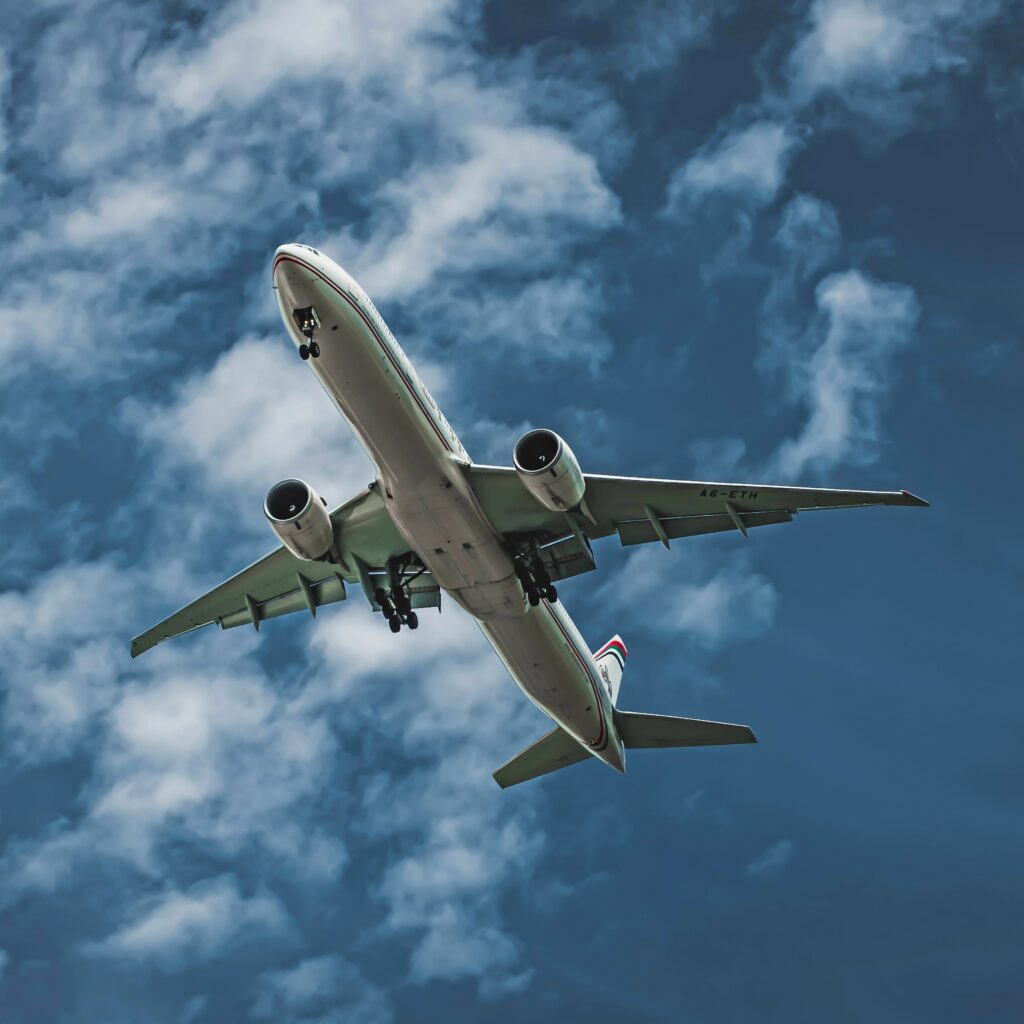
If the pilots or air traffic control (ATC) are not completely satisfied that the aircraft is positioned and configured for a safe landing a go-around is initiated.

A go-around is a safe and standard aircraft procedure that may be executed at any stage of the approach. It simply discontinues an approach to landing to ensure passengers and aircraft are not placed in potentially dangerous situations.

If the aircraft is directed to go around (either by the pilot or ATC) instead of land, it will perform a circular route that allows it to be placed back into a suitable spot in the arrival sequence. This circular route may result in aircraft overflying areas that aren’t typically overflown and potentially at a lower height when compared to typical arriving aircraft.

Military Flights

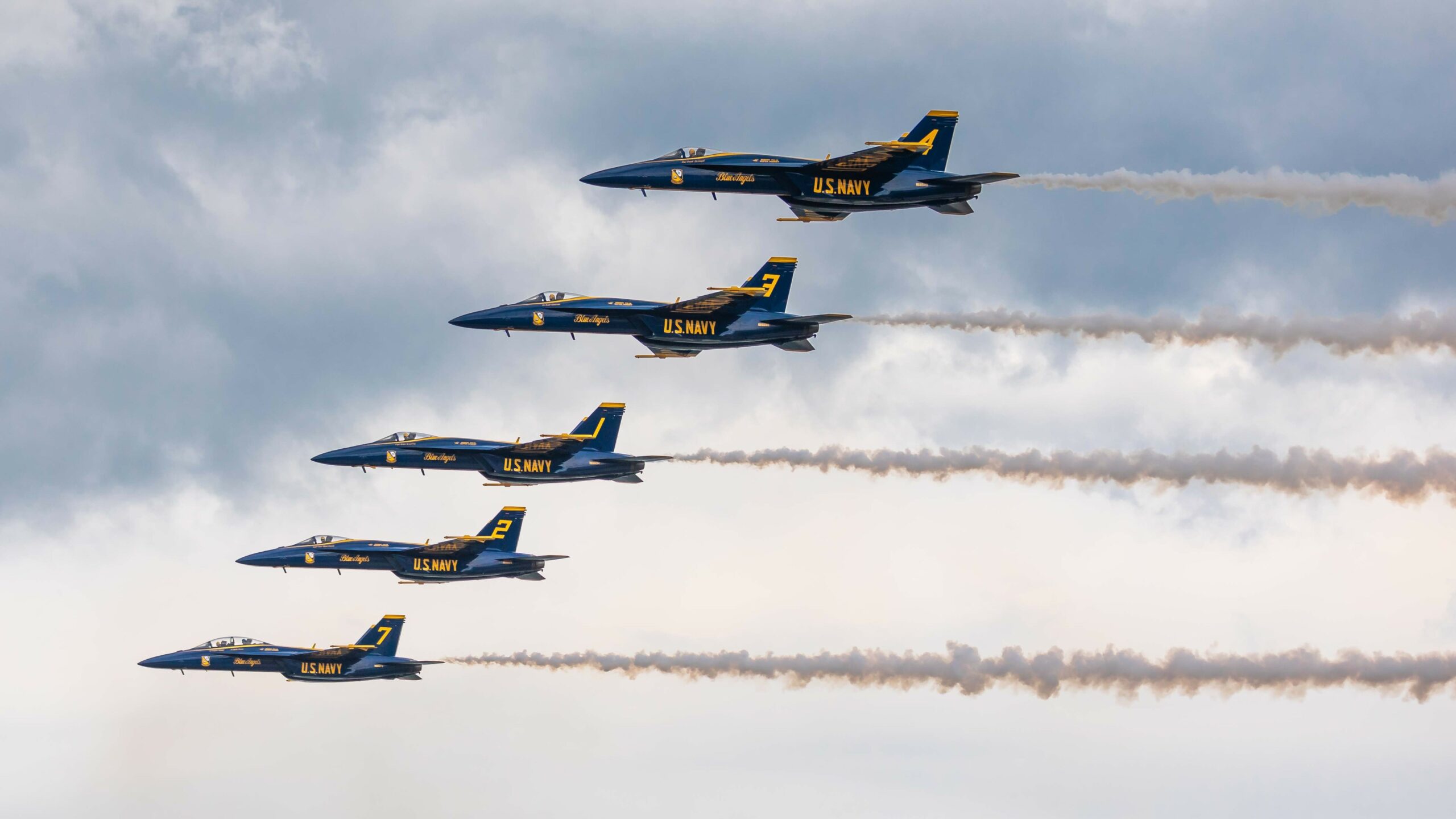
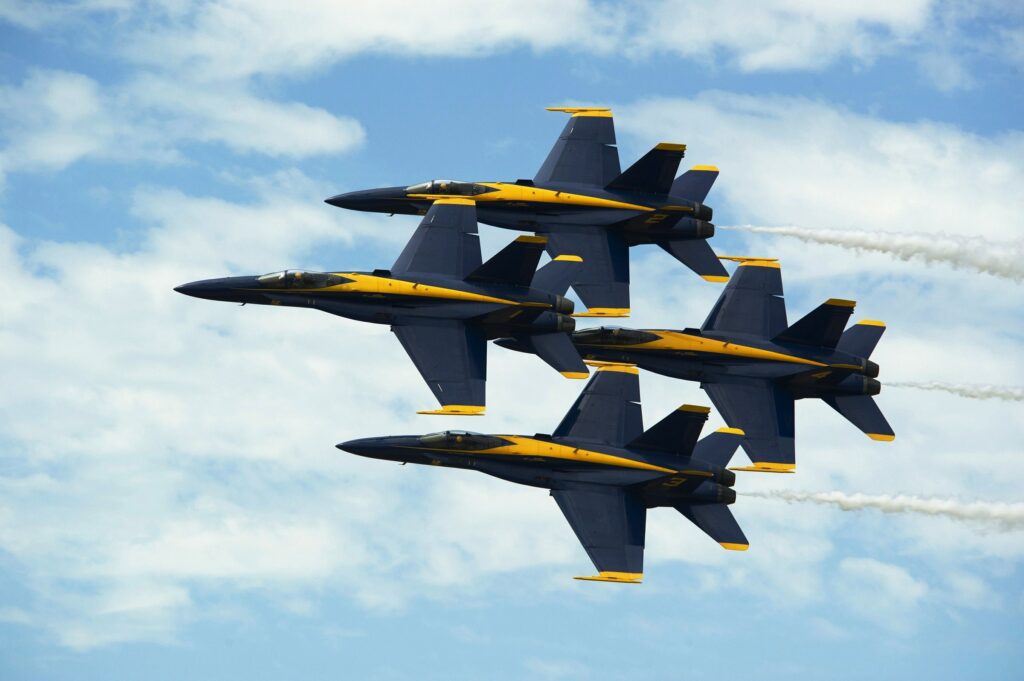
On occasion, military aircraft may use the airport to refuel or potentially as a staging post for a demonstration or aerial display.

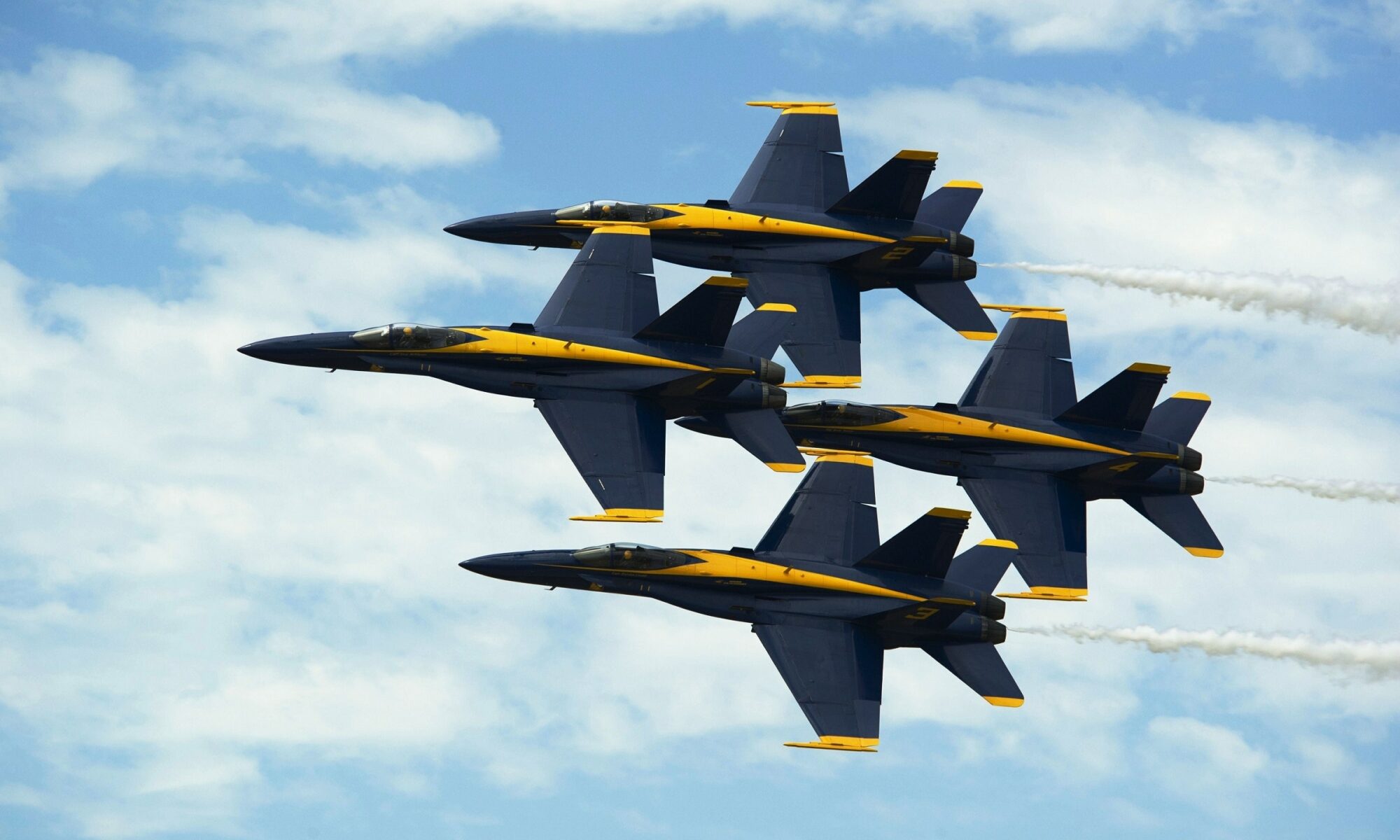
Military operations like the Blue Angels are often stationed at OAK during San Francisco’s Fleet Week. Military aircraft, in particular fighter jets, are not designed with any noise-reducing features so their noise profile is particularly loud.

We will announce planned upcoming military demonstrations and notify the public of a potential noise increase. Register for OAK community advisories to stay up to date on upcoming events.
Want to see more?

View live flight tracks and noise levels using our WebTrak Flight and Noise tracker.
Introduction to Noise

What is Noise?

Everyone encounters sound every day. It is only when that sound causes an adverse effect on a listener, such as annoyance, that sound becomes noise. And noise is not always just about how loud the sound is, there is a complex set of factors that drive annoyance both based upon the noise itself and what that noise means to us. You can find out more in the following video:

Whilst many factors influence the sound output from the aircraft, it is our local soundscape (or the day-to-day noise that we all experience) that influences how much, or how little aircraft noise we receive.

For example, if you live in a noisy area, potentially within a town or city, or close to a road, the background noise level from those sources is likely to mask the sound of aircraft noise. Conversely, in a quiet area, the masking effect isn’t present and the same aircraft is likely to be more noticeable.

It is important to note that annoyance is a personal experience, what might be annoying to one person may not be annoying to another. Despite this, the airport takes noise monitoring seriously and has an active program to monitor analyze and report on the aircraft and background noise level in the local community.

Want to see more?

Explore the many avenues that the airport provides the data it gathers back to the community. From noise, operations, and complaints statistics to live flights and noise readings, there is so much data to explore.

How is aircraft noise generated?

An aircraft in the sky

What is Aircraft Noise, and how is it generated?

Noise is defined as unwanted sound that may result in disturbance and annoyance.

Aircraft noise is caused by:

  • airflow around the aircraft fuselage and wings,
  • Noise from the engines, with different aircraft producing different noise levels and different noise frequencies and tones. In general, the loudest area of the aircraft is right behind the engines, and they are loudest during takeoff when the engines are being worked the hardest.

It is important to note that annoyance is a personal experience, what might be annoying to one person may not be annoying to another. Despite this, the airport takes noise monitoring seriously and has an active program to monitor analyze and report on the aircraft and background noise level in the local community.

What influences aircraft noise?

Aircraft noise can sound very different depending on a number of factors including:

  • Whether the aircraft is an arrival, departure, flying to its destination, performing training, or even acrobatics.
  • How high aircraft are above the ground.
  • How far away the aircraft is laterally from the observer.
  • The weather, which can increase or decrease the experience of noise depending on certain conditions. Weather can also affect where aircraft are in the sky since aircraft take off and land into the wind, affecting which runways are used.

Whilst these factors influence the sound output from the aircraft, it is our local soundscape (or the day-to-day noise that we all experience) that influences how much, or how little aircraft noise we receive.

For example, if you live in a noisy area, potentially within a town or city, or close to a road, the background noise level from those sources is likely to mask the sound of aircraft noise. Conversely, in a quiet area the masking effect isn’t present and the same aircraft is likely to be more noticeable.