How OAK manages noise

we strive to provide effective noise management

The airport is acknowledged as a noisy place, but steps can be taken to manage and minimize aircraft noise as much as possible.

The International Civil Aviation Organisation (ICAO) has endorsed the EU Directive 2002/30/EC concept of a ”balanced approach” to aircraft noise management. This approach incorporates four key elements to the mitigation of noise levels at airports:
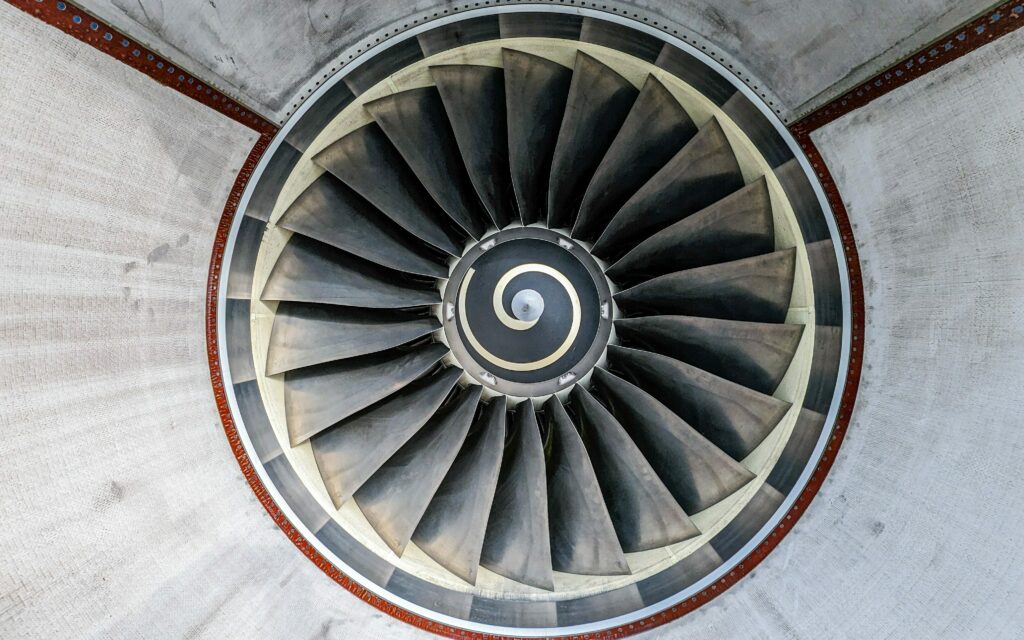
Reducing noise at the source

Reduce the noise produced by the aircraft itself through continual design and engineering improvements. Over the past 30 years efforts in this category have led to dramatic reductions in aircraft noise where newer aircraft are much quieter than their predecessors.

Land-use planning and management

Support local and national Governments to manage land use around airports and under flight paths to limit the number of new residential properties built in areas exposed to aircraft noise.
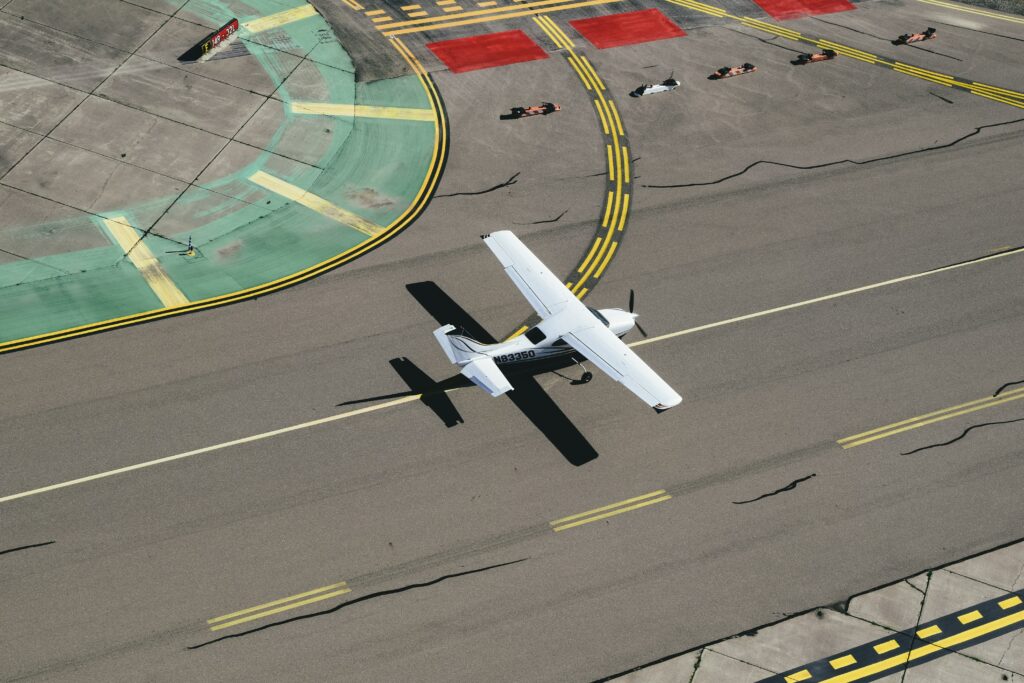
Noise abatement procedures

Encourage aircraft operators to fly optimal low-noise configurations and, where appropriate, monitor compliance against these procedures as part of our regular reports and engage directly with them to discuss improving performance as required.
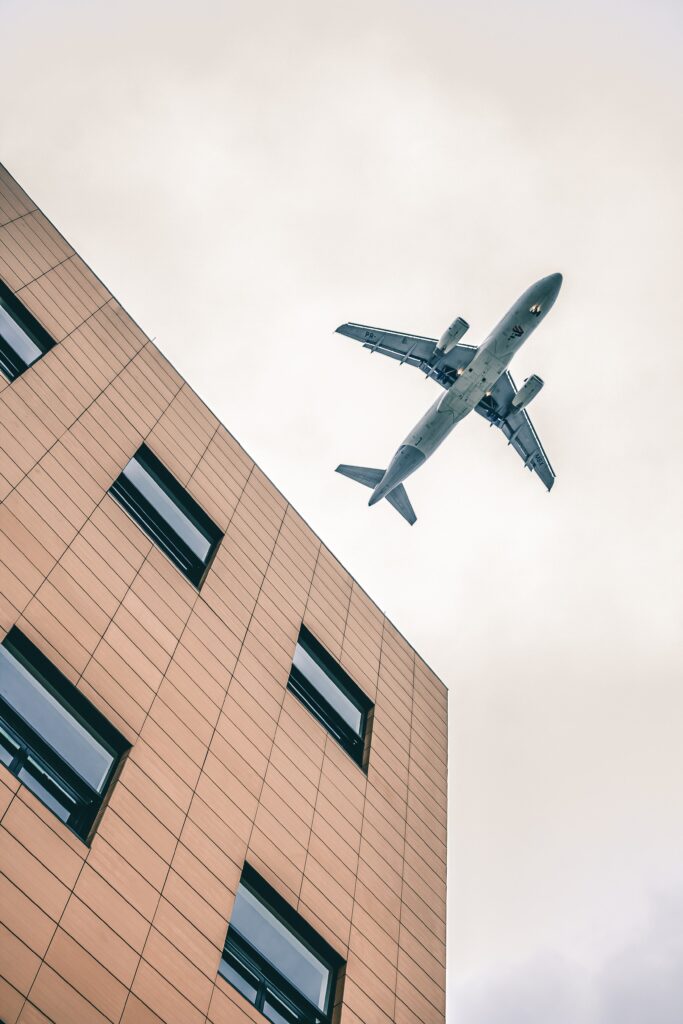
Operating restrictions when possible

Limiting noisier operations and providing quieter alternatives whenever possible. This is the most difficult part to implement because it has to align and operate within Governmental restrictions.

What is being done in your area?

developing programs that minimize noise impacts on surrounding communities

For More Than 40 Years, The Port Of Oakland Has Endeavored To Develop Programs That Minimize Noise Impacts On Surrounding Communities. Noise abatement procedures (NAP) at Oakland San Francisco Bay Airport (OAK) are based on the voluntary actions that air traffic controllers and pilots may take to help reduce the impacts of aircraft noise on communities adjacent to the airport. The airport has no authority over the movement of aircraft or the direction of flight. The authority to regulate flight patterns of aircraft is vested exclusively in the Federal Aviation Administration (FAA).

The following are general guidelines and techniques we ask operators to follow to help minimize the noise impact produced by aircraft in your area.

SJC Noise Mitigation

Based on your location, you are more likely to be affected by aircraft operating out of San Jose International Airport (SJC). SJC might have noise abatement efforts in place that may more significantly help reduce noise in your area. For information about noise abatement at SJC, you can visit the SJC Aircraft Noise website.

Want to see more?

View live flight tracks and noise levels using our WebTrak Flight and Noise tracker.

What is being done in your area?

developing programs that minimize noise impacts on surrounding communities

For More Than 40 Years, The Port Of Oakland Has Endeavored To Develop Programs That Minimize Noise Impacts On Surrounding Communities. Noise abatement procedures (NAP) at Oakland San Francisco Bay Airport (OAK) are based on the voluntary actions that air traffic controllers and pilots may take to help reduce the impacts of aircraft noise on communities adjacent to the airport. The airport has no authority over the movement of aircraft or the direction of flight. The authority to regulate flight patterns of aircraft is vested exclusively in the Federal Aviation Administration (FAA).

The following are general guidelines and techniques we ask operators to follow to help minimize the noise impact produced by aircraft in your area.

South Field 100-Degree Radial Turbojet Landing Procedure

South Field Arrivals Altitude Minimums

For Runway 30 downwind approaches over the East Bay, turbojet aircraft should not descend below 3,000 feet above airport ground level until crossing the OAK 100-degree radial which lies over San Lorenzo, San Leandro, and Hayward.

Please be aware that the pilot in command makes the final decisions relative to runway use; therefore, pilots may request to use any available runway. Neither the Airport nor the FAA air traffic controllers may restrict a pilot’s access to an available runway.

Want to get more involved?

What is being done in your area?

Developing Programs That Minimize Noise Impacts On Surrounding Communities

For More Than 40 Years, The Port Of Oakland Has Endeavored To Develop Programs That Minimize Noise Impacts On Surrounding Communities. Noise abatement procedures (NAP) at Oakland San Francisco Bay Airport (OAK) are based on the voluntary actions that air traffic controllers and pilots may take to help reduce the impacts of aircraft noise on communities adjacent to the airport. The airport has no authority over the movement of aircraft or the direction of flight. The authority to regulate flight patterns of aircraft is vested exclusively in the Federal Aviation Administration (FAA).

The following are general guidelines and techniques we ask operators to follow to help minimize the noise impact produced by aircraft in your area.

North Field Arrival Runway Use

Large Aircraft Restrictions on the North Field Runways

The North Field Preferential Runway Use noise abatement procedure program states that the following aircraft should not land on Runways 10R/L except during emergencies, whenever Runways 12/30 are closed, or by any cause beyond the control of the Airport.
• Turbo-jet and turbo-fan powered aircraft.
• Turbo-props over 17,000 pounds.
• Four-engine reciprocating powered aircraft.
• Surplus military aircraft over 12,500 pounds.
*A corporate jet is defined as a jet aircraft whose typical activities are associated with the North Field facilities and services. This could include jet aircraft weighing over 75,000 lbs.

Nighttime North Field Quiet Hours

The North Field Quiet Hours Program is designed to minimize aircraft noise in residential areas adjacent to the North Field from 10 p.m. to 7 a.m. daily. If the procedures are flown as, intended, aircraft will avoid flying over nearby residential areas in the Neptune drive areas of San Leandro.

Nighttime Quiet Hour limitations for Arrivals include the same large aircraft restriction from the North Field Runways as during the day. In addition, Runway 28L is the preferred landing runway for nighttime arrivals.

Please be aware that the pilot in command makes the final decisions relative to runway use; therefore, pilots may request to use any available runway. Neither the Airport nor the FAA air traffic controllers may restrict a pilot’s access to an available runway.

Want to get more involved?

What is being done in your area?

Developing Programs That Minimize Noise Impacts On Surrounding Communities

For more than 40 years, the Port of Oakland has endeavored to develop programs that minimize noise impacts on surrounding communities. Noise abatement procedures (NAP) at Oakland San Francisco Bay Airport (OAK) are based on the voluntary actions that air traffic controllers and pilots may take to help reduce the impacts of aircraft noise on communities adjacent to the airport. The airport has no authority over the movement of aircraft or the direction of flight. The authority to regulate flight patterns of aircraft is vested exclusively in the Federal Aviation Administration (FAA).

The following are general guidelines and techniques we ask operators to follow to help minimize the noise impact produced by aircraft in your area.

Preferential Departure Runway Use

Large Aircraft Restrictions on the North Field Runways

The North Field Preferential Runway Use noise abatement procedure program states that the following aircraft should not depart from Runways 28R/L except during emergencies, whenever Runways 12/30 are closed, or by any cause beyond the control of the Airport.
• Turbo-jet and turbo-fan powered aircraft.
• Turbo-props over 17,000 pounds.
• Four-engine reciprocating powered aircraft.
• Surplus military aircraft over 12,500 pounds.
*A corporate jet is defined as a jet aircraft whose typical activities are associated with the North Field facilities and services. This could include jet aircraft weighing over 75,000 lbs.

Please be aware that the pilot in command makes the final decisions relative to runway use; therefore, pilots may request to use any available runway. Neither the Airport nor the FAA air traffic controllers may restrict a pilot’s access to an available runway.

North Field Departure Procedures

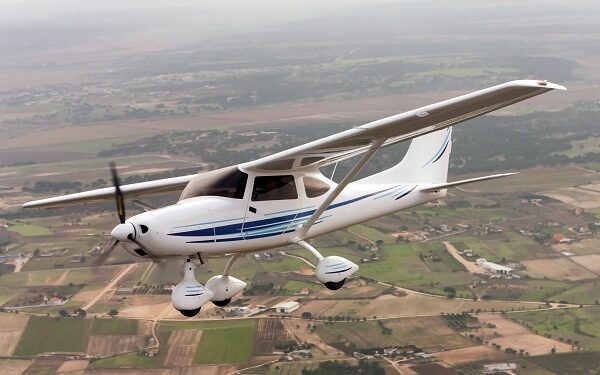
A small general aviation aircraft turns in uncontrolled airspace

North Field VFR Take Off Residential Avoidance

The North Field VFR (visual flight rules) noise abatement procedure is designed to minimize flights over residential areas of Alameda caused by departures from the North Field Runways.

Pilots are instructed to make a right turn over San Leandro Bay until reaching Interstate 880. A non-compliant departure is a VFR departure from Runways 28R/L or 33 that flies over specified residential areas when it may have been safe to follow the VFR noise abatement procedure.

North Field Nighttime Take Off Residential Avoidance

The North Field Quiet Hours Procedures were designed to minimize aircraft noise in residential areas adjacent to the North Field from 10 p.m. to 7 a.m. daily.

If the procedures are flown as intended, aircraft departing from Runways 28R/L or 33 will avoid flying over nearby residential areas on Bay Farm Island, the Fernside area of Alameda, and the Davis West/Timothy Drive area. Pilots are requested to follow these procedures when safety, weather, and ATC instructions permit.

South Field Departure Procedures

South Field Departures Residential Avoidance

Turbojet aircraft should not make a right turn on departure from Runway 30 and pass over Bay Farm Island. This noise abatement procedure is historically referred to as the “No Right Turn Climb-out Departure Procedure”.

South Field Departures Altitude Minimums

In addition, Runway 30 turbojet departures should not turn right over Alameda residential areas until reaching 3,000 feet above airport ground level.

South Field Nighttime Take Off Residential Avoidance

The HUSSH departure is an FAA (RNAV) departure procedure at OAK established to reduce noise in residential communities at nighttime. The HUSSH departure procedure is described as a turbojet aircraft take-off from Runway 30, climb heading 296 degrees to at or above 520 feet, then turn left direct to HUSSH. This departure procedure is assigned between 10:00 p.m. and 7:00 a.m. for Runway 30 turbojet aircraft departures.

Please note that safety always takes precedence over noise abatement procedures and pilots must follow air traffic control instructions and other safety considerations caused by weather, potential air space conflicts, or emergencies.

Want to get more involved?

What is being done in your area?

Developing Programs That Minimize Noise Impacts On Surrounding Communities

For more than 40 years, the Port of Oakland has endeavored to develop programs that minimize noise impacts on surrounding communities. Noise abatement procedures (NAP) at Oakland San Francisco Bay Airport (OAK) are based on the voluntary actions that air traffic controllers and pilots may take to help reduce the impacts of aircraft noise on communities adjacent to the airport. The airport has no authority over the movement of aircraft or the direction of flight. The authority to regulate flight patterns of aircraft is vested exclusively in the Federal Aviation Administration (FAA).

The airport applies best practices to ensure disturbances are kept to a minimum, with training operations typically isolated to set periods and locations around the airport. The following are general guidelines and techniques we ask operators to follow to help minimize the noise impact produced by aircraft in your area.

North Field Touch & Go Noise Abatement

Touch & Go Residential Avoidance

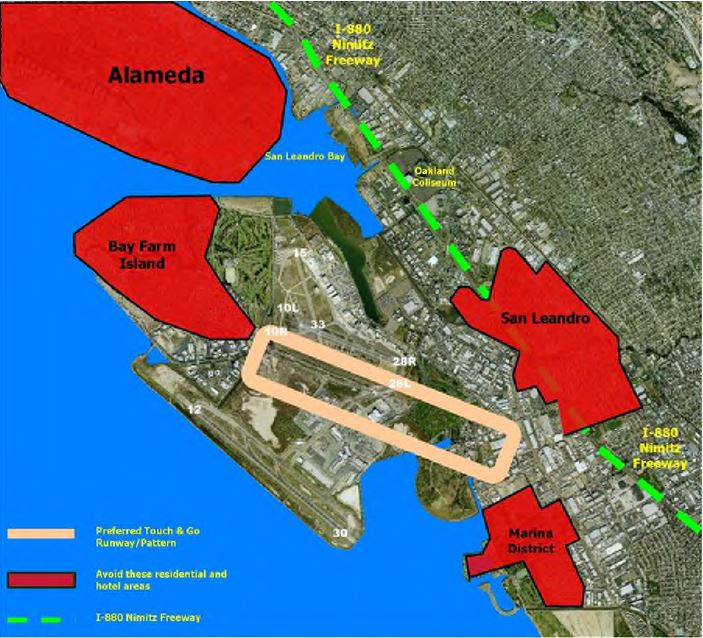
At OAK, touch and goes are done using the North Field runways, usually on runways 28L or 28R.

When using runway 28R for touch and goes, the traffic pattern routes aircraft to take off to the north over Bay Farm island towards Alameda, turn right then travel south parallel to the runways over Oakland crossing towards San Landro, where they turn right again to line up and come in for a landing.

When using runway 28L, aircraft will also travel on their take off and landing legs over Bay Farm island and San Leandro, but the parallel leg of the traffic pattern is performed over the midfield portion of OAK.

Since the traffic pattern for runway 28L lies mostly over the airport rather than communities, runway 28L is the preferred runway for touch-and-goes for noise abatement purposes.

Please note that safety always takes precedence over noise abatement procedures and pilots must follow air traffic control instructions and other safety considerations caused by weather, potential air space conflicts, or emergencies.

Want to get more involved?

What is being done in your area?

developing programs that minimize noise impacts on surrounding communities

For more than 40 years, the Port of Oakland has endeavored to develop programs that minimize noise impacts on surrounding communities. Noise abatement procedures (NAP) at Oakland San Francisco Bay Airport (OAK) are based on the voluntary actions that air traffic controllers and pilots may take to help reduce the impacts of aircraft noise on communities adjacent to the airport. The airport has no authority over the movement of aircraft or the direction of flight. The authority to regulate flight patterns of aircraft is vested exclusively in the Federal Aviation Administration (FAA).

The following are general guidelines and techniques we ask operators to follow to help minimize the noise impact produced by aircraft in your area.

SFO Noise Mitigation

Based on your location, you are more likely to be affected by aircraft operating out of the San Francisco International Airport (SFO). SFO might have noise abatement efforts in place that may more significantly help reduce noise in your area. For information about noise abatement at SFO, you can visit the SFO Aircraft Noise website.

Want to see more?

View live flight tracks and noise levels using our WebTrak Flight and Noise tracker.

Noise Monitoring

we Track noise Levels in the Community

Environmental monitoring and management are crucial for responsible airport operations. It allows the airport to understand its impact on the local environment and community and what can be done to manage and mitigate those potential impacts.

Oakland San Francisco Bay Airport (OAK) uses ANOMS, which stands for Airport Noise and Operations Monitoring System. It is a complex solution featuring both hardware in the form of remote sensors, and radar data collectors as well as advanced analytical tools to assist OAK in our work to manage aircraft noise in surrounding communities.

The Noise Monitoring System

The Airport Noise Monitoring and Management System (ANOMS) gathers data from remote noise monitors deployed in the local community and in proximity to runways and flight paths. These run 24 hours a day 7 days a week, continuously collecting and sending noise data through to ANOMS, creating ‘noise events’.

A ‘noise event’ is created when the system detects noise exceeding the background or local noise level for an appreciable amount of time. This could be due to any number of factors, be it local birds, cars, or an aircraft. By continuously monitoring the noise level and integrating data from Air Traffic Control (ATC), our systems can determine if the noise event was generated by an aircraft or another source.

The process is complex and while it can identify noise events due to aircraft, it can also identify events that were not generated by aircraft. These are known as community events and could be generated by birds, wind, vehicles on a road, or even emergency vehicle sirens. In effect, any noise that we could hear on a day-to-day basis that isn’t generated by an aircraft is considered community noise.

By considering the aircraft and community noise, a detailed picture of the local soundscape can be built, allowing the airport to understand the potential impact of operations on the local community.

Want to see more?

View live flight tracks and noise levels using our WebTrak Flight and Noise tracker.

Data Reporting

Data at Your Fingertips

Information is published in the form of regular reports produced and published on our main website. These provide deep and broad analytics covering the airport operation, statistics from the noise monitoring programs, compliance against noise mitigation plans, and progress against key noise management programs.

Flight Tracking

Using WebTrak you can track the flight activity into and out of Oakland Airport (OAK), along with information about each aircraft.

Noise Complaint Summary

Provides comprehensive data so the community can analyze historical noise complaint data by date and ZIP code.

OAK Noise and Operational Summary

Allows the community to analyze noise data collected from the noise monitor terminals and OAK operations data collected from the Airport Noise and Operations Monitoring System. 

Noise Complaint Summary

see how the number of Complaints varies each month

Oakland San Francisco Bay Airport (OAK) receives many complaints each day about aircraft operating at and around the airport. The number of complaints and their origin often varies by the time of day, day of the week, and even time of year. In the spirit of transparency, we want to provide the community with a comprehensive view to analyze the noise complaint data we receive each day.

View the Data

Below is an interactive report that provides summary statistics about the complaints received by the airport including:

  • How many complaints were received, from how many people (the complainants), and from what area (zip code)
  • What was the general reason for the complaint
  • The periods (day of month and hour of the day) in which complaints were received

The most recent month is shown however, you can access previous months using the slider-down in the top left-hand corner.

Want to make a noise complaint?

Try our Noise Complaint App to submit your concern directly to the OAK Noise Office.