
OAK Noise and Operational Summary

View the Noise and operations data

The Airport Noise and Operations Monitoring System (ANOMS) is operational 24 hours a day, 7 days a week, continuously tracking and recording noise levels and aircraft flights to and from the airport. The system uses data collected from air traffic control radar systems, airport data feeds, and noise monitoring terminals to build a detailed picture of the noise level produced by flights operating around the airport. All of the collected data is analyzed and presented in the report below.
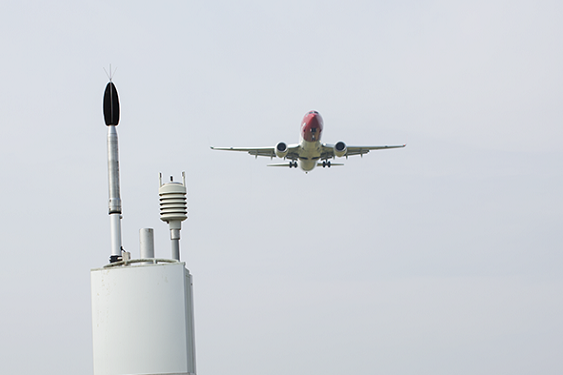
An aircraft overflies a noise monitoring terminal

Aircraft Noise Summary

The airport has a number of fixed or temporary noise monitors deployed in the local area, generally under or near flight paths.

The data collected by the monitors is presented in the following dashboard which displays:

  • The location of the noise monitors
  • Detailed information on the collected noise data, including the distribution of peak noise events and if these were caused by arrivals or departures.
  • The top noise-producing aircraft and airlines for the selected time period and filters.

Learn more about how aircraft noise is monitored and captured.

Operational Summary and Directional Flow Summary

These dashboards show the number of operations per day and per runway based on a variety of parameters:

  • Period: provides a deep dive into the number of operations at the airport per day and per month.
  • Select: the report data can be filtered by time of day and operation type (arrivals or departures).
  • Category: summarises the number of flights at the airport for the top 15 airlines, aircraft types, and destinations.
  • Trend: outlines how the number of operations per day per month compares in the selected month to the past 2 full years.

View the Data

The dashboard below is automatically updated every month and you can access data from previous months using the drop-down in the center of the report header.

User Notes:

Click the page navigation buttons to view the Aircraft Noise Summary, Operational Summary, and Directional Flow Summary. You can view the dashboard in full-screen mode by clicking the box in the upper right corner of the dashboard window.

Want to see more?

View live flight tracks and noise levels using our WebTrak Flight and Noise tracker.
OAK Noise and Operational Summary

View the Noise and operations data

The Airport Noise and Operations Monitoring System (ANOMS) is operational 24 hours a day, 7 days a week, continuously tracking and recording noise levels and aircraft flights to and from the airport. The system uses data collected from air traffic control radar systems, airport data feeds, and noise monitoring terminals to build a detailed picture of the noise level produced by flights operating around the airport. All of the collected data is analyzed and presented in the report below.

An aircraft overflies a noise monitoring terminal

Aircraft Noise Summary

The airport has a number of fixed or temporary noise monitors deployed in the local area, generally under or near flight paths. Learn more about how Aircraft Noise is monitored and captured here.

The data collected by the monitors is presented in the following dashboard which displays:

  • The location of the noise monitors
  • Detailed information on the collected noise data, including the distribution of peak noise events and if these were caused by arrivals or departures.
  • The top noise-producing aircraft and airlines for the selected time period and filters.

Operational Summary and Directional Flow Summary

These dashboards show the number of operations per day and per runway based on a variety of parameters:

  • Period: provides a deep dive into the number of operations at the airport per day and per month.
  • Select: the report data can be filtered by time of day and operation type (arrivals or departures).
  • Category: summarises the number of flights at the airport for the top 15 airlines, aircraft types, and destinations.
  • Trend: outlines how the number of operations per day per month compares in the selected month to the past 2 full years.

View the Data

The dashboard below is automatically updated every month and you can access data from previous months using the drop-down in the center of the report header.

User Notes:

Click the page navigation buttons to view the Aircraft Noise Summary, Operational Summary, and Directional Flow Summary. You can view the dashboard in full-screen mode by clicking the box in the upper right corner of the dashboard window.

Want to see more?

View live flight tracks and noise levels using our WebTrak Flight and Noise tracker.

OAK Noise and Operational Summary

View the Noise and operations data

The Airport Noise and Operations Monitoring System (ANOMS) is operational 24 hours a day, 7 days a week, continuously tracking and recording noise levels and aircraft flights to and from the airport. The system uses data collected from air traffic control radar systems, airport data feeds, and noise monitoring terminals to build a detailed picture of the noise level produced by flights operating around the airport. All of the collected data is analyzed and presented in the report below.

An aircraft overflies a noise monitoring terminal

Aircraft Noise Summary

The airport has a number of fixed or temporary noise monitors deployed in the local area, generally under or near flight paths. Learn more about how Aircraft Noise is monitored and captured here.

The data collected by the monitors is presented in the following dashboard which displays:

  • The location of the noise monitors
  • Detailed information on the collected noise data, including the distribution of peak noise events and if these were caused by arrivals or departures.
  • The top noise-producing aircraft and airlines for the selected time period and filters.

Operational Summary and Directional Flow Summary

These dashboards show the number of operations per day and per runway based on a variety of parameters:

  • Period: provides a deep dive into the number of operations at the airport per day and per month.
  • Select: the report data can be filtered by time of day and operation type (arrivals or departures).
  • Category: summarises the number of flights at the airport for the top 15 airlines, aircraft types, and destinations.
  • Trend: outlines how the number of operations per day per month compares in the selected month to the past 2 full years.

View the Data

The dashboard below is automatically updated every month and you can access data from previous months using the drop-down in the center of the report header.

User Notes:

Click the page navigation buttons to view the Aircraft Noise Summary, Operational Summary, and Directional Flow Summary. You can view the dashboard in full-screen mode by clicking the box in the upper right corner of the dashboard window.

Want to see more?

View live flight tracks and noise levels using our WebTrak Flight and Noise tracker.

How is aircraft noise generated?

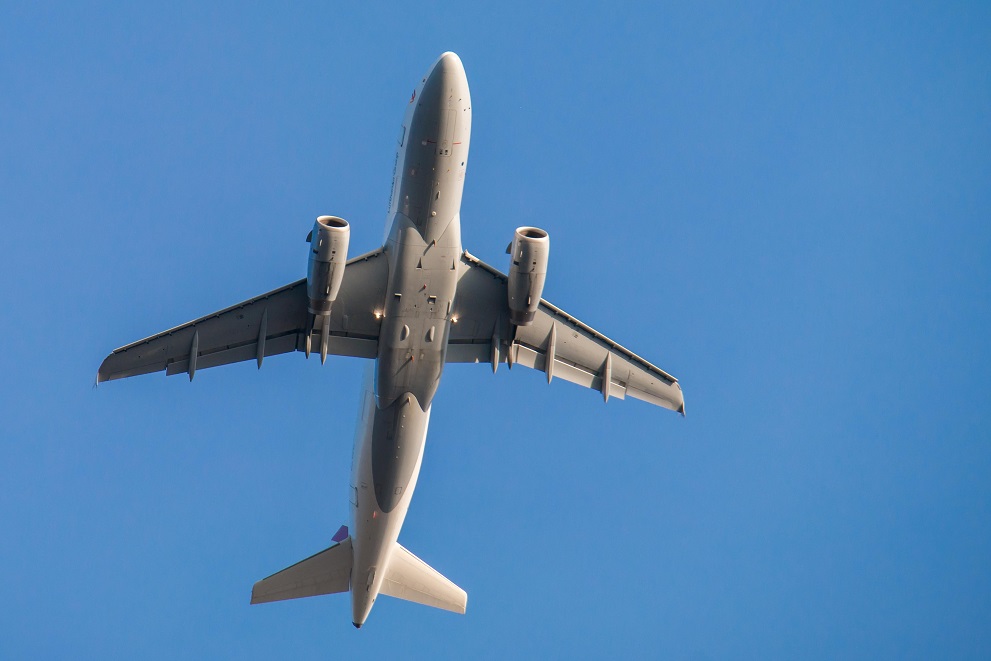
An aircraft in the sky

What is Aircraft Noise, and how is it generated?

Noise is defined as unwanted sound that may result in disturbance and annoyance.

Aircraft noise is caused by:

  • airflow around the aircraft fuselage and wings,
  • Noise from the engines, with different aircraft producing different noise levels and different noise frequencies and tones. In general, the loudest area of the aircraft is right behind the engines, and they are loudest during takeoff when the engines are being worked the hardest.

It is important to note that annoyance is a personal experience, what might be annoying to one person may not be annoying to another. Despite this, the airport takes noise monitoring seriously and has an active program to monitor analyze and report on the aircraft and background noise level in the local community.

What influences aircraft noise?

Aircraft noise can sound very different depending on a number of factors including:

  • Whether the aircraft is an arrival, departure, flying to its destination, performing training, or even acrobatics.
  • How high aircraft are above the ground.
  • How far away the aircraft is laterally from the observer.
  • The weather, which can increase or decrease the experience of noise depending on certain conditions. Weather can also affect where aircraft are in the sky since aircraft take off and land into the wind, affecting which runways are used.

Whilst these factors influence the sound output from the aircraft, it is our local soundscape (or the day-to-day noise that we all experience) that influences how much, or how little aircraft noise we receive.

For example, if you live in a noisy area, potentially within a town or city, or close to a road, the background noise level from those sources is likely to mask the sound of aircraft noise. Conversely, in a quiet area the masking effect isn’t present and the same aircraft is likely to be more noticeable.