OAK’s Operational Flight Patterns

Oakland San Francisco Bay Airport (OAK) Flight paths are essential to the Airport’s safe and efficient operations.

Every major commercial airport has typical flight paths for aircraft arriving at and departing from their runways. These maintain the airspace’s high level of safety and allow Air Traffic Control (ATC) to better sequence aircraft for efficient flow. Safety is the number one priority of aviation, but these routes can also be designed to minimize environmental impact in fuel burn, emissions, and noise.

Operational Flow

Aircraft use runways to take off and land. Arrivals and departures travel in the same direction when utilizing an airport’s runways; this is known as flow. The direction of travel largely depends on wind direction, as it is safer for aircraft to land and take off into the wind. Wind provides extra lift which allows the plane to take off safer and faster. Sometimes the wind direction will change, and Air Traffic Control (ATC) will have to make the decision to alter the runway in use and change the flow in and out of the airport.

There are 3 different flight patterns designed to accommodate the typical flows at OAK: the Westerly Operations, Southeast Operations, and Nighttime Operations.

Want to see more?

View live flight tracks and noise levels using our WebTrak Flight and Noise tracker.
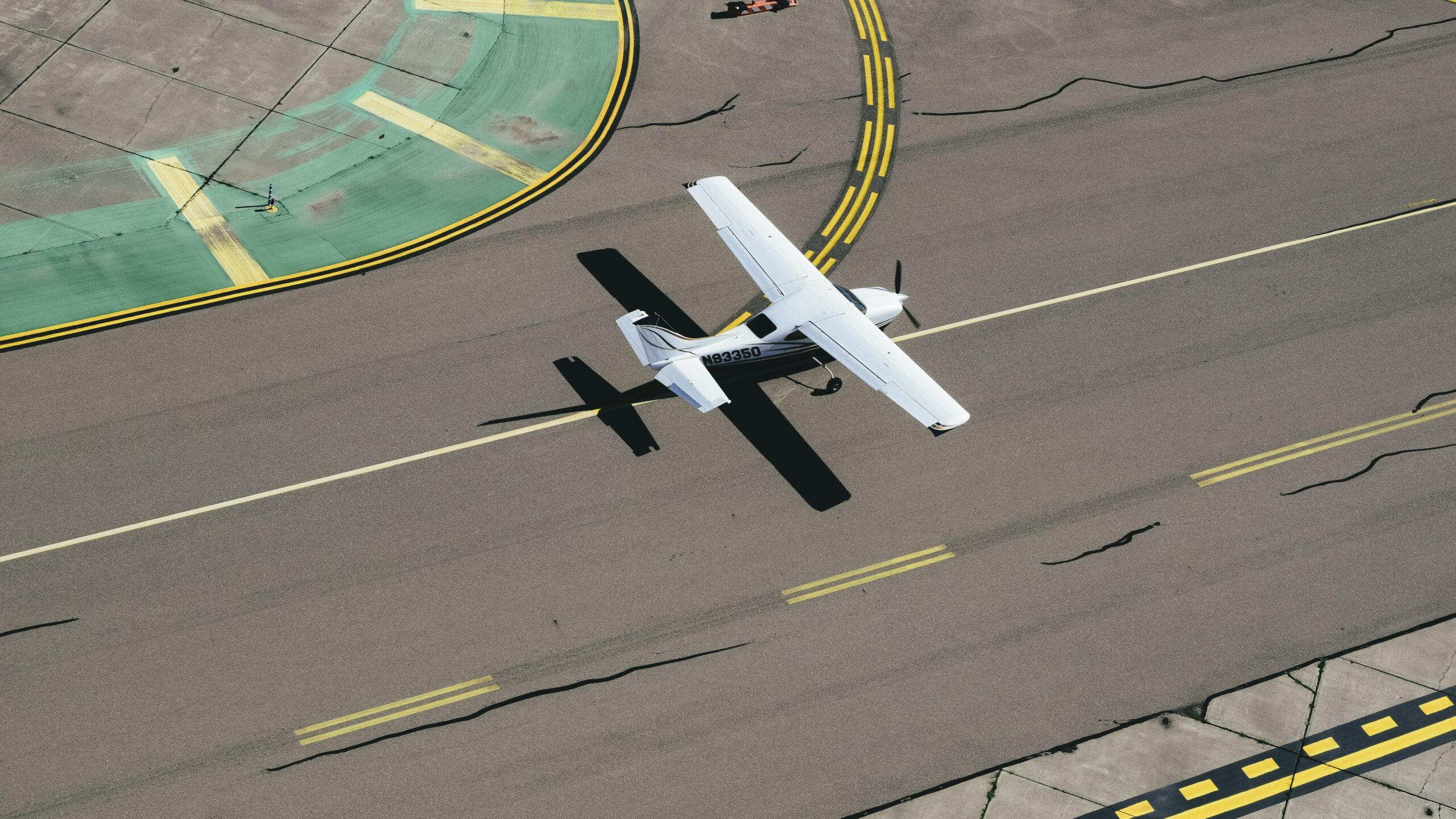
North Field and South Field

The two sides of the airport are more different than you might think.

Oakland San Francisco Bay Airport (OAK) is a host to a variety of aircraft operations. From airlines to cargo to training pilots, aircraft utilize the airport for a variety of purposes. To provide order and maximize efficiency, the airport has separated these various uses into two separate sides of the airfield: North Field and South Field.

North Field

The North Field accommodates a variety of aviation land uses including general aviation, aircraft hangars, ramps, some air cargo facilities, and two fixed base operators: KaiserAir and Signature Flight, It consists of 3 smaller runways; Runway 10R-28L, Runway 10L-28R, and Runway 15-33, and the helipad. Many small aircraft come and go on these runways, and some may utilize them in a unique way for training purposes.

South Field

The South Field is a complex of passenger facilities, including Terminals 1 and 2, and air cargo facilities, the largest of which is the FedEx Metroplex (their West Coast hub operation). It hosts the largest runway that OAK has to offer; Runway 12-30, which will often be utilized by airlines, business jets, and cargo jets that arrive and depart from OAK.

Want to see more?

View live flight tracks and noise levels using our WebTrak Flight and Noise tracker.
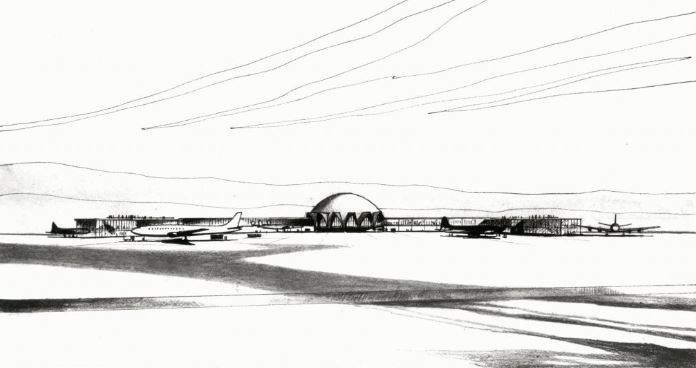
Arrivals and Departures

commercial airports have Established flight paths for aircraft arriving and departing.

Arrival and departure paths are like three-dimensional roadways that aircraft follow to and from the airport. Routes are assigned to pilots based on the flight’s origin/destination, as well as the available in-use runways at the arrival airport. Most commercial passenger aircraft will follow these routes, however, smaller turboprops and propeller planes may be directed outside of them to clear the airspace for larger and faster aircraft.

Arrivals

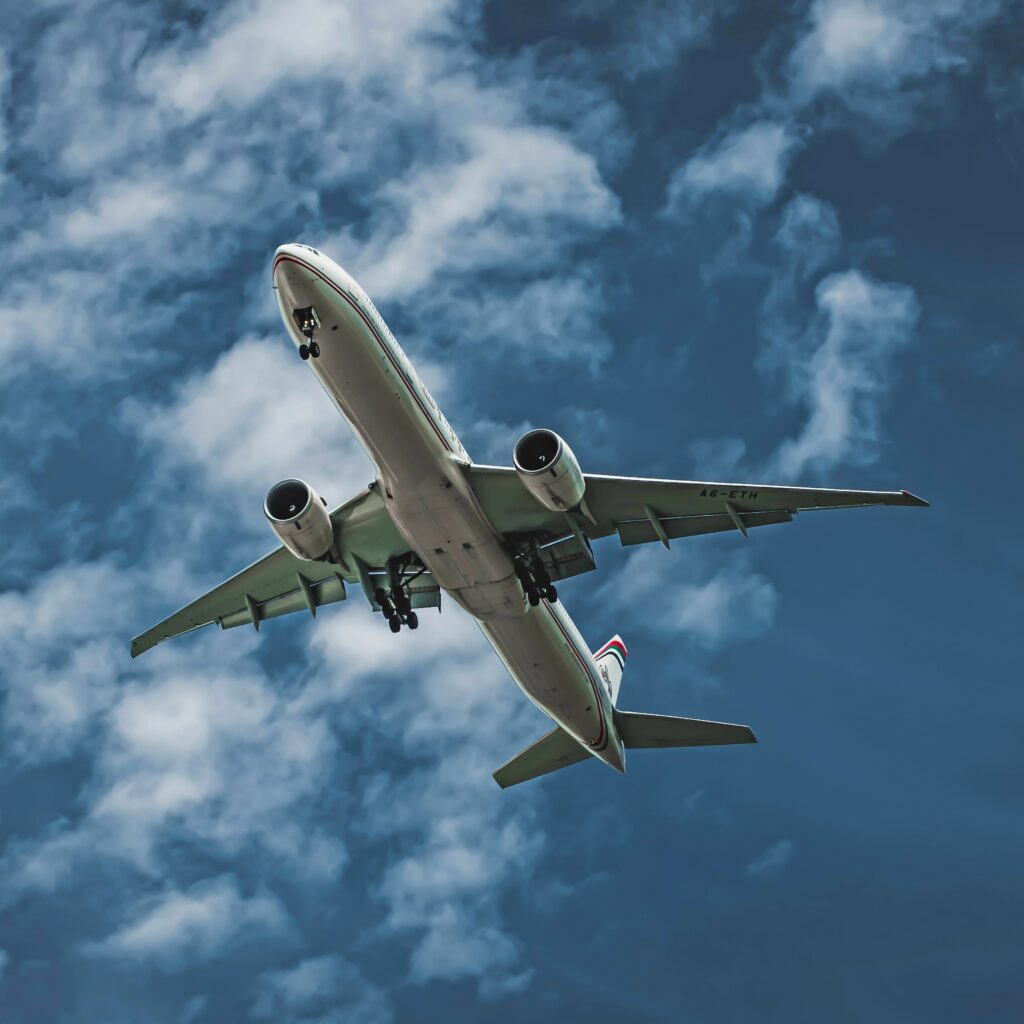
Upon nearing the airport, arrivals make initial contact with Air Traffic Control (ATC) who provide the pilots with a direction (or vector) and altitude in which to fly. This is to ensure safe separation from other aircraft that may also be arriving and departing. Often ATC provides instructions to pilots to join an established approach procedure to act as a ‘roadmap’ for how to safely approach and land on the runway

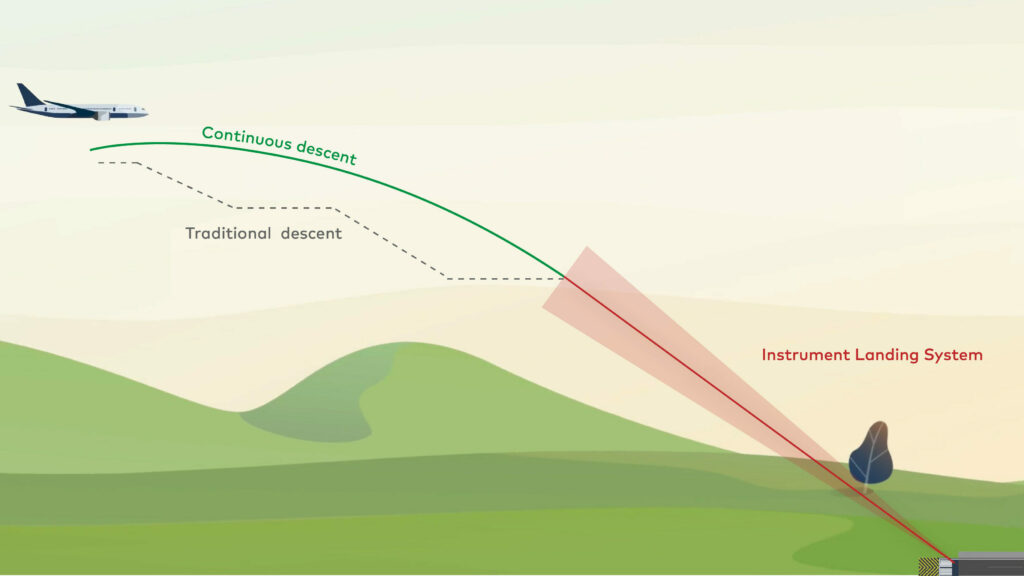
A practice called Continuous Descent Operation (CDO) is often used in order to reduce any potential noise impact on the ground and minimize fuel burn and resulting emissions. The operation requires both ATC and the pilots to work together to glide the aircraft to landing with minimal throttle use. It requires skill and detailed planning, so in periods of high traffic, it may not be possible to fly the optimum CDO.

Departures

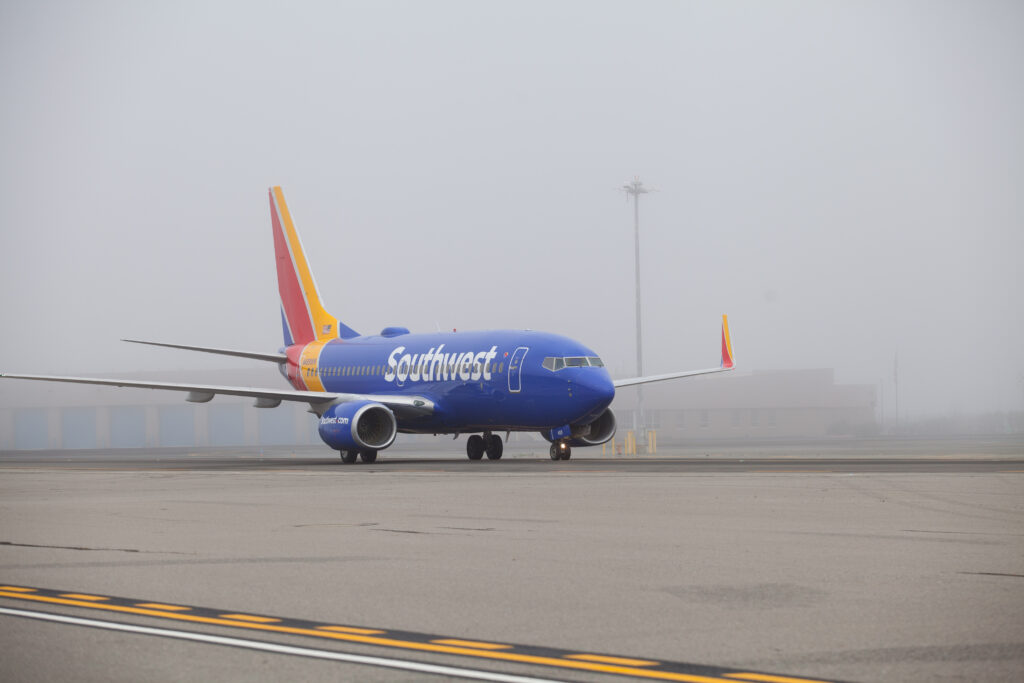
Departures taxi to the runway where they await clearance from Air Traffic Control (ATC). The aircraft is fully laden with fuel, passengers, luggage, and cargo, and a high-power setting is required to accelerate the aircraft along the runway to achieve flight. Aircraft depart in a straight line from the runway until they have reached a sufficient altitude before turning onto a set departure route to their destination. This allows the aircraft to climb quickly and maintain safe separation from other aircraft as it departs.

Departure routes provide point-to-point navigation for pilots to follow on their way out of an airport’s busy airspace.

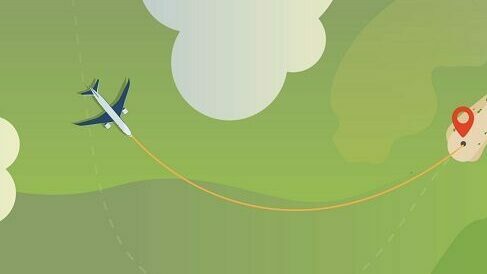
An aircraft takes a shorter route to the runway

Want to see more?

View live flight tracks and noise levels using our WebTrak Flight and Noise tracker.
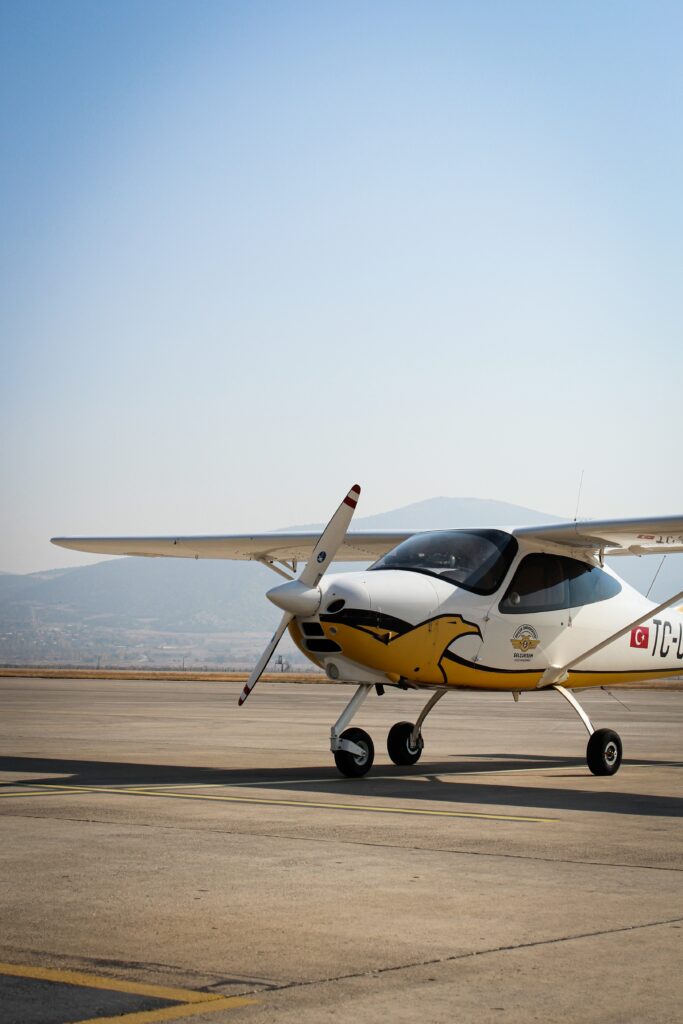
Training Flights

Training flights can and do occur at major airports like Oakland San Francisco Bay Airport (OAK).

Pilot training is not just for new pilots. To maintain high standards even well-experienced pilots require training on a regular basis to ensure skills are honed.

Circuit Training

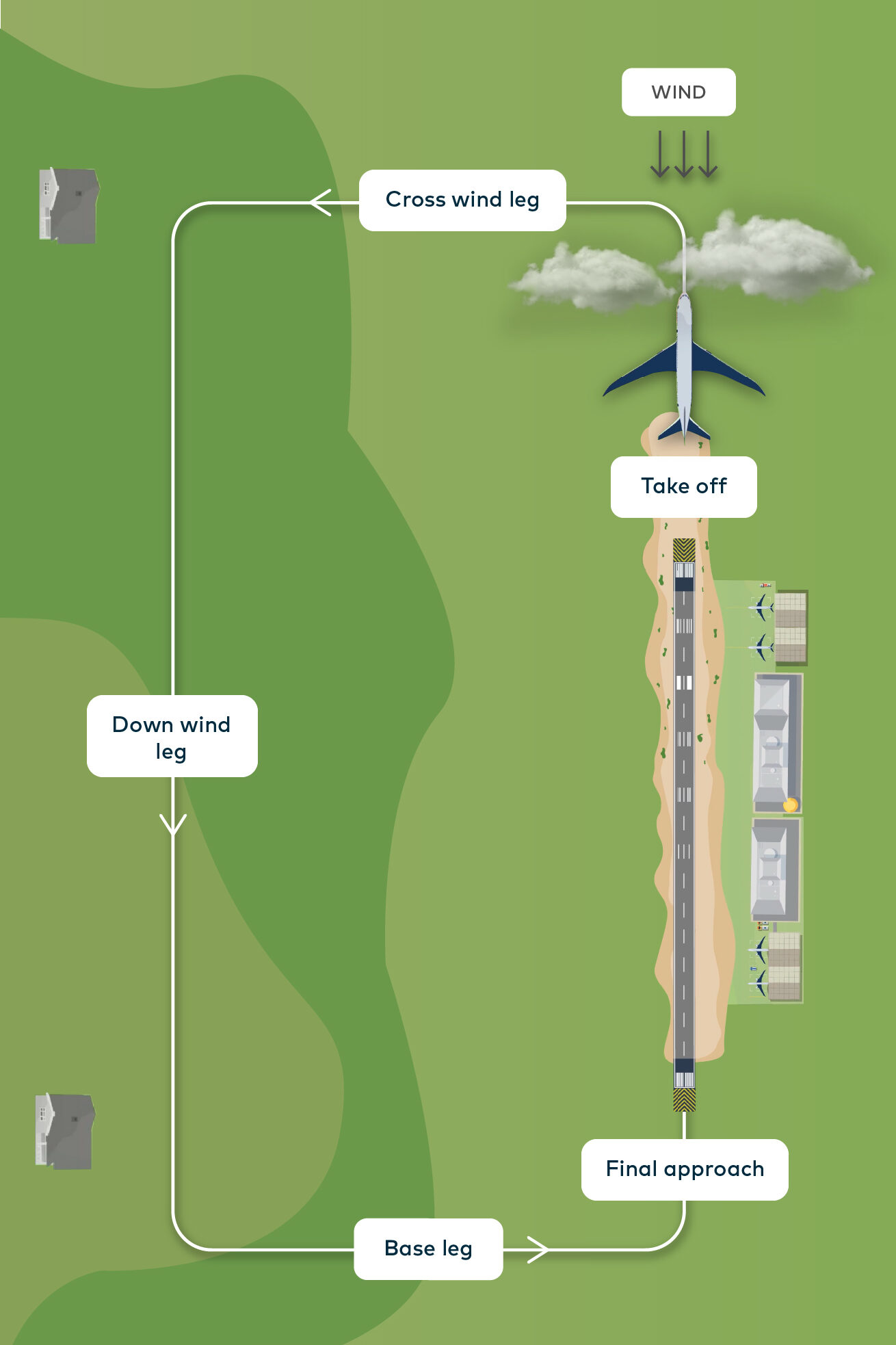
One of the most common training elements is practicing takeoff and landing. An aircraft may complete these procedures several times in a row by flying in a circuit or lap around the airport between each landing and take-off. Circuit flying procedures often need to be practiced in all conditions – day and night, and in different weather conditions to allow pilots to build experience and familiarity with these procedures.

One form of circuit training is often referred to as ‘Touch and Go’. In a Touch and Go, the aircraft does not come to a complete stop after landing and instead adds throttle to take off once again. These circuits are repetitive so the aircraft can be overflying the same location regularly – sometimes over areas they may not normally fly. They also typically operate at lower altitudes than normal and due to repeated practice of take-offs and landings, which can also be more annoying to residents than typical arrivals or departures. To ensure disturbances are kept to a minimum, the airport requests that Touch and Go operations use Runway 28L to avoid noise-sensitive areas.

Want to see more?

View live flight tracks and noise levels using our WebTrak Flight and Noise tracker.
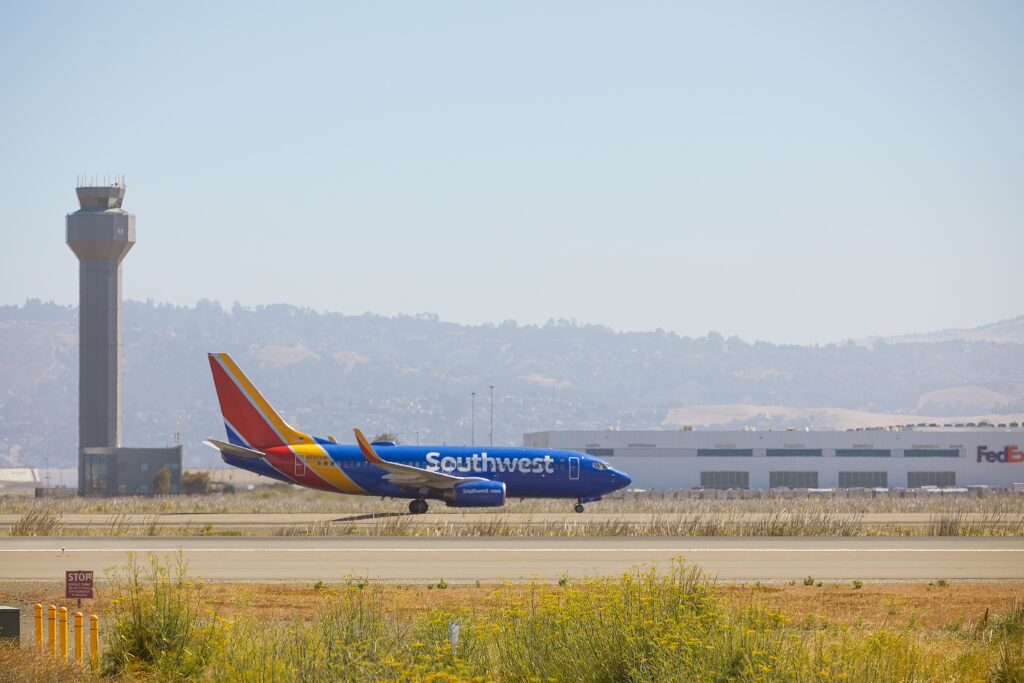
Unusual Operations

notice anything unusual occurring at or around the airport?

From time to time you may notice unusual or anomalous operations occurring at or around Oakland San Francisco Bay Airport (OAK) – either on the ground or in the air. Most of the time, deviations from normal air traffic procedures are performed for safety reasons, but sometimes there may be something else going on.

Changes to the Operational Flow due to Weather

An airport’s operational flow pattern determines which set of arrival and departure procedures are available for use at any given time.

When the weather and wind direction in the Bay Area change, the airspace flow at OAK might change along with it. Though the wind does not change often at OAK, about 10% of the time it blows from the Southeast and forces OAK to follow a new airspace flow called the Southeast Plan.

Go-Arounds or Missed Approaches

If the pilots or air traffic control (ATC) are not completely satisfied that the aircraft is positioned and configured for a safe landing a go-around is initiated.

A go-around is a safe and standard aircraft procedure that may be executed at any stage of the approach. It simply discontinues an approach to landing to ensure passengers and aircraft are not placed in potentially dangerous situations.

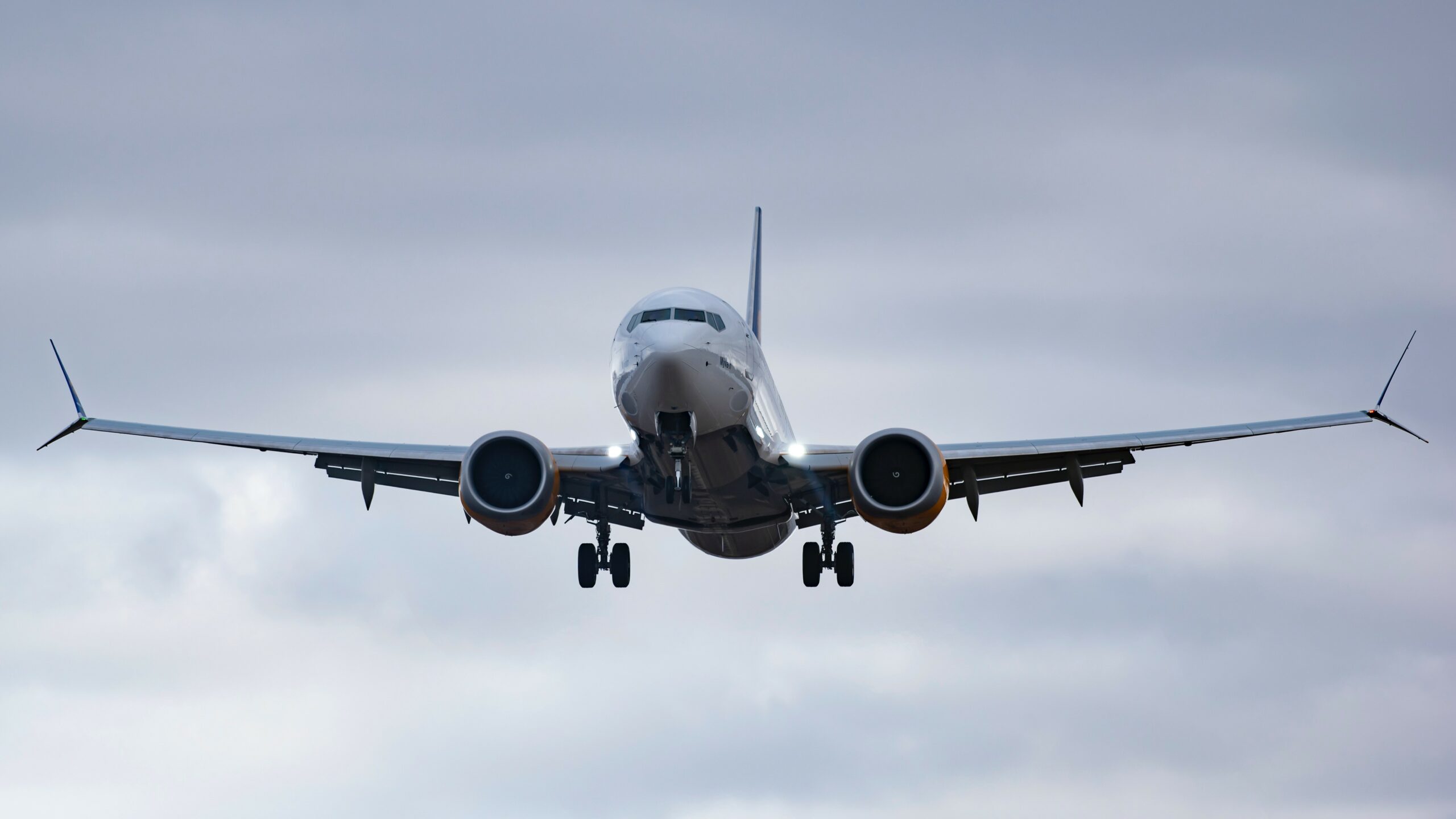
If the aircraft is directed to go around (either by the pilot or ATC) instead of land, it will perform a circular route that allows it to be placed back into a suitable spot in the arrival sequence. This circular route may result in aircraft overflying areas that aren’t typically overflown and potentially at a lower height when compared to typical arriving aircraft.

Military Flights

On occasion, military aircraft may use the airport to refuel or potentially as a staging post for a demonstration or aerial display.

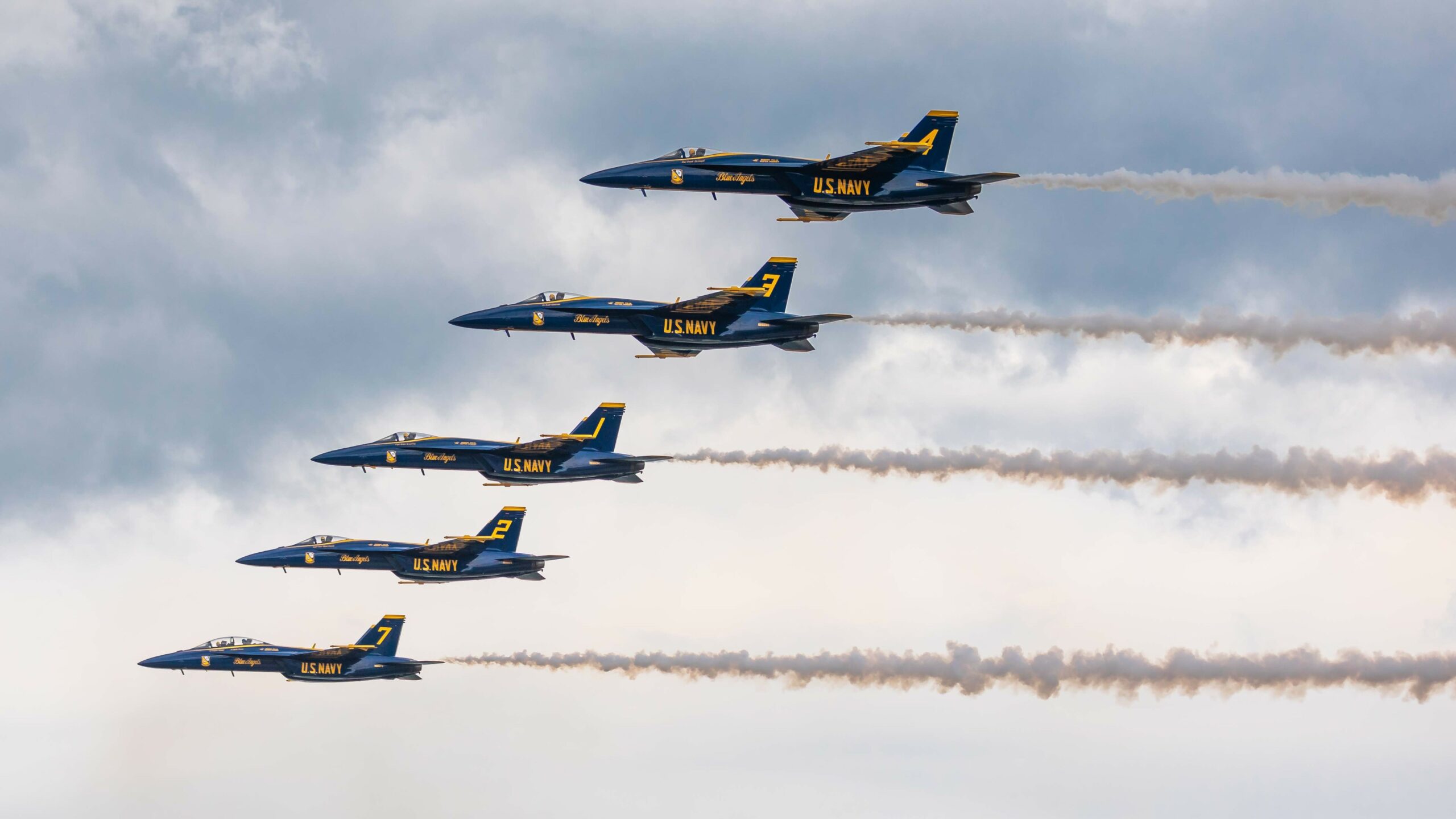
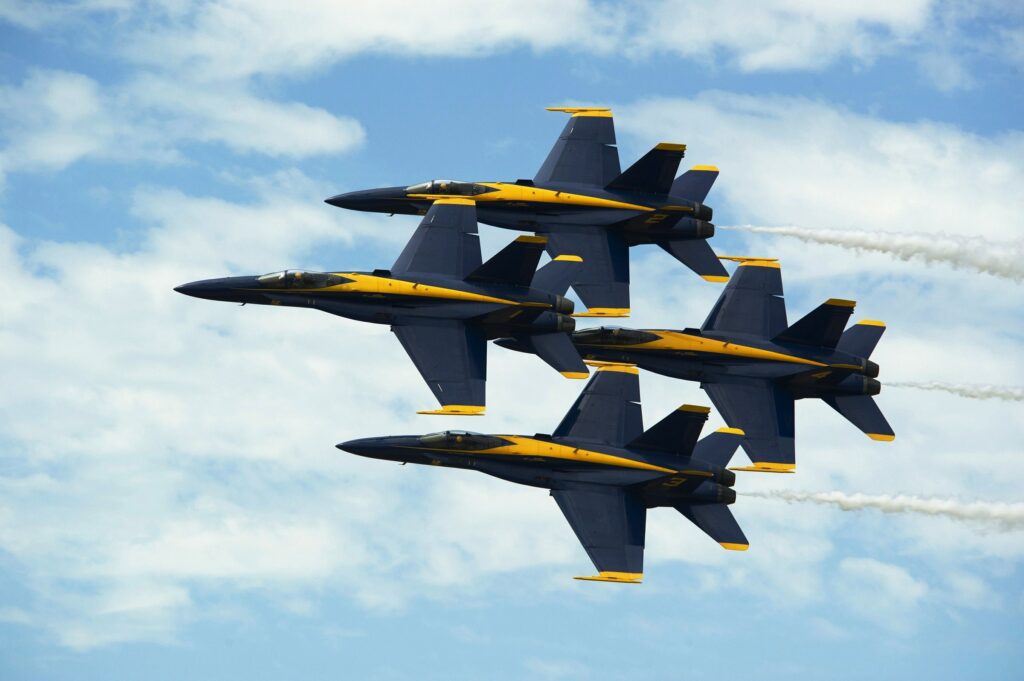
Military operations like the Blue Angels are often stationed at OAK during San Francisco’s Fleet Week. Military aircraft, in particular fighter jets, are not designed with any noise-reducing features so their noise profile is particularly loud.

We will announce planned upcoming military demonstrations and notify the public of a potential noise increase. Register for OAK community advisories to stay up to date on upcoming events.

Want to see more?

View live flight tracks and noise levels using our WebTrak Flight and Noise tracker.